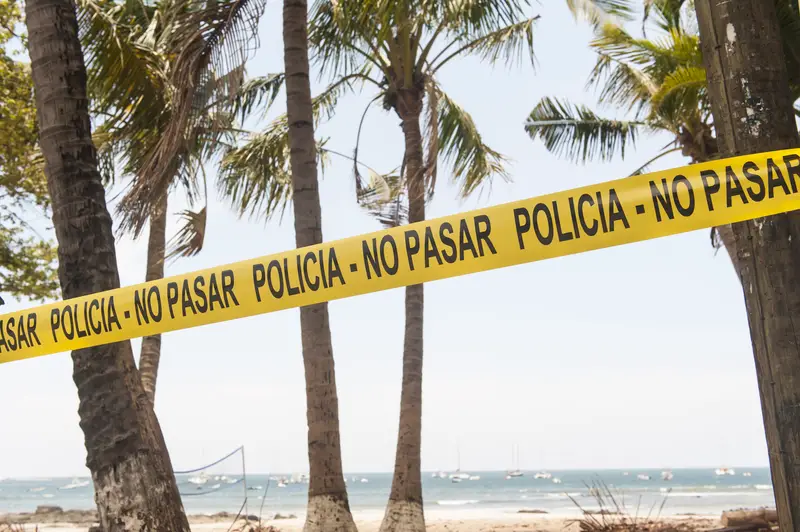
Six people, including a two-year-old girl, were killed when multiple gunmen opened fire on a beachside boardwalk in Puerto Lopez, Ecuador, on December 28, 2025. Three others were injured in the attack at the popular whale-watching destination in southwestern Ecuador’s Manabí province.
The assault began at 9 a.m. local time Sunday morning when armed men arrived in a van and on two motorcycles and began shooting at a group of people in a public area along the boardwalk. Colonel Wladimir Acurio confirmed the casualties and noted that the attackers fled the scene after the shooting. The perpetrators escaped in their vehicles, leaving authorities to launch a manhunt for those responsible.
“The attack killed six and left three others injured,” Colonel Acurio told the media.
No arrests have been announced as police continue searching for the suspects. Investigators believe the shooting was linked to an internal dispute between criminal groups operating in the region. The violence marked the third deadly attack in Puerto Lopez over the weekend, with a total of nine people killed in separate incidents across the coastal city during that period.
Puerto Lopez, situated in Ecuador’s Manabí province, serves as a popular tourist beach resort known primarily as a whale-watching destination. The province has been under a state of emergency since August 2025 as authorities struggle to contain escalating violence linked to organized crime.
The shooting comes as Ecuador experiences a dramatic surge in gang violence that has transformed the South American nation into one of the region’s most dangerous countries. Positioned between Colombia and Peru, the world’s two top cocaine exporters, Ecuador has become a critical transit point for drug trafficking operations controlled by gangs with ties to Mexican and Colombian cartels.
President Daniel Noboa declared an internal armed conflict in 2024, mobilizing military forces to combat designated criminal organizations. Despite these hardline policies and the deployment of troops to support police operations across the country, the violence has continued unabated. Killings and armed clashes in neighborhoods and public spaces have become commonplace throughout Ecuador.
The country is projected to end the year with a record homicide rate of 52 per 100,000 residents. This unprecedented level of violence represents a dramatic deterioration in security for a nation that was once considered among the safest in South America. The tourism industry, particularly in coastal areas like Puerto Lopez, has suffered significant damage as international visitors grow increasingly concerned about safety.
Multiple states of emergency have been declared across various provinces in recent years as the government attempts to restore order. The Manabí province, where Sunday’s attack occurred, has been under emergency measures for months, granting authorities expanded powers to combat organized crime. Military checkpoints have been established along major roads, and security forces have increased patrols in urban centers and tourist areas.
The violence is primarily linked to cocaine trafficking routes that run through Ecuador, connecting production areas in neighboring countries to international markets. Criminal groups battle for control of ports, transport corridors, and distribution networks, often carrying out attacks in public spaces to assert territorial dominance and intimidate rivals.
Beyond Puerto Lopez, deadly shootings have become regular occurrences across Ecuador. Pool halls, restaurants, residential neighborhoods, and commercial districts have all been targeted in gang-related violence. The attacks frequently result in civilian casualties, including children, as gunmen show little regard for bystanders when targeting rivals.
The Sunday morning boardwalk shooting underscores the extent to which gang violence has penetrated even tourist-oriented coastal communities. Puerto Lopez had previously been viewed as a relatively peaceful destination, attracting both domestic and international visitors seeking to observe humpback whales during their annual migration along Ecuador’s Pacific coast. The transformation of such locations into scenes of mass violence represents a significant challenge for government efforts to restore Ecuador’s reputation as a safe destination.
Local business owners and residents in affected areas have expressed mounting frustration with the security situation. Many coastal communities depend heavily on tourism revenue, and the ongoing violence has led to cancellations and declining visitor numbers. The economic impact compounds the human toll, creating additional hardship for communities already struggling with the psychological trauma of repeated attacks.