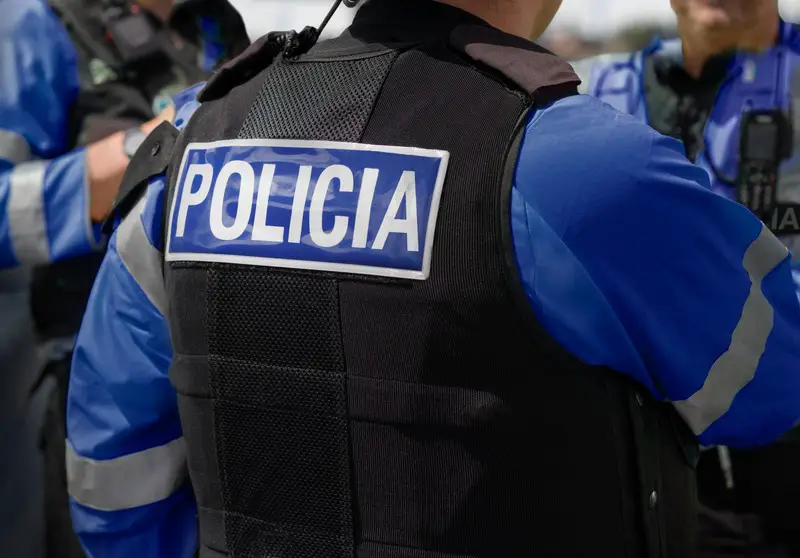
Gunmen opened fire at a soccer field in Salamanca, Guanajuato state, Mexico, killing 11 people and wounding 12 others after a match on Sunday, January 25, 2026. The attackers arrived in several vehicles and fired at least 100 shots at families who had stayed behind to socialize following the game.
Ten people died at the scene at the Cabañas pitch in the Loma de Flores neighborhood, while one person died later at a hospital. A woman and a minor were among the wounded.
Salamanca Mayor Cesar Prieto said the gunmen arrived at the end of the soccer match. “Unfortunately, there are criminal groups trying to subjugate authorities, something they are not going to achieve,” the mayor said. The mayor appealed to President Claudia Sheinbaum for help and described a crime wave gripping the city.
The motive behind the shooting is not yet clear. An investigation has been launched, with security forces deployed to the scene. The attack occurred just one day after five men were killed and one man was abducted in the city.
The assault came as Salamanca, located in central Mexico, continues to face escalating violence linked to organized crime. Guanajuato state, where Salamanca is located, had the highest number of murders in Mexico last year.
Two major criminal organizations have been locked in a violent rivalry in the region: the Jalisco New Generation Cartel and the Cartel de Santa Rosa de Lima, also known as the Santa Rosa de Lima gang. The groups engage in oil theft, fuel theft, drug trafficking, and extortion throughout the state.
Salamanca is home to a major Pemex refinery, making it a strategic location for criminal groups involved in fuel theft.
The United States has taken direct action against both organizations. President Donald Trump designated the Jalisco New Generation Cartel as a Foreign Terrorist Organization. The U.S. government also placed sanctions on the Cartel de Santa Rosa de Lima.
U.S. forces have carried out at least 36 strikes against vessels allegedly transporting drugs by sea, killing at least 125 people. In response to U.S. pressure, Mexican authorities handed over 37 high-impact suspects to the United States.
Despite the violence, Mexico’s government reported that the country’s murder rate in 2025 was 17.5 murders per 100,000 inhabitants, which officials described as the lowest rate since 2016.
The targeting of civilians at community events like soccer matches represents a particularly disturbing trend in cartel violence. Such attacks create widespread fear in communities and demonstrate the willingness of criminal groups to strike at soft targets where families gather.
Soccer fields and other recreational spaces have traditionally been considered safe community gathering spots in Mexican towns and cities. The attack in Salamanca violated this sense of security, striking families during a leisure activity that brings neighborhoods together.