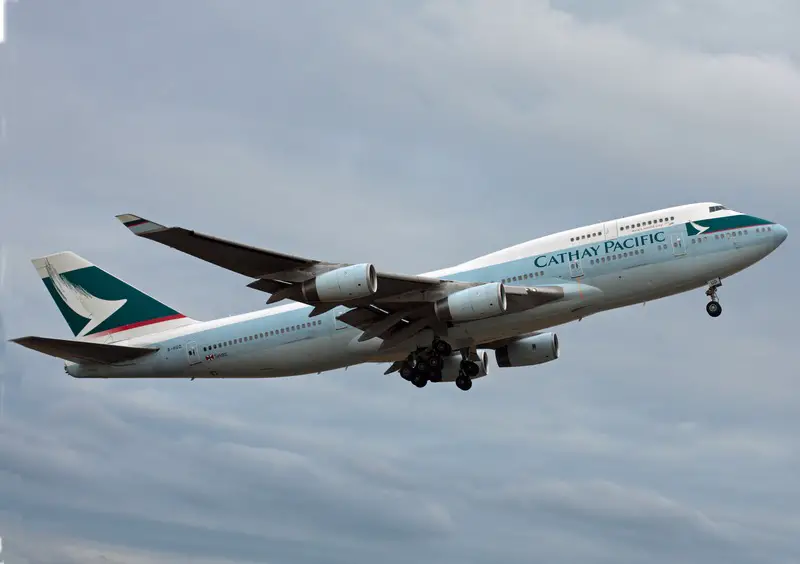
A Dutch passenger aged 72 succumbed after collapsing on a Cathay Pacific plane en route from Amsterdam to Hong Kong. The incident, which occurred on Jan. 11, 2026, is currently under investigation by the police to ascertain the cause of death.
The Hong Kong Police Force was alerted at 7:22 a.m. local time as the flight neared Hong Kong International Airport about a passenger who had collapsed. The passenger was then transported to North Lantau Hospital and declared dead, as confirmed by the police.
The flight, CX270, reached its destination at 7:38 a.m. Paramedics boarded the aircraft immediately upon landing and administered first aid before being transported to the hospital.
In a statement, the Hong Kong Police Force affirmed that an autopsy will be performed to determine the cause of death. The case is being treated as a death on arrival and the investigation into the incident continues.
Cathay Pacific confirmed the death and outlined the crew’s response to the medical emergency. The airline expressed its condolences to the family of the deceased following the unfortunate event.
The passenger, identified only as Antonie, collapsed roughly 40 minutes before the plane was scheduled to land at Hong Kong International Airport. The cabin crew utilized an automated external defibrillator in an attempt to resuscitate him and sought real-time medical advice from ground-based physicians via satellite link during the emergency.
Though infrequent, medical emergencies during flights necessitate immediate and coordinated actions from flight crews trained in emergency procedures. Modern commercial planes are equipped with comprehensive medical kits that consist of automated external defibrillators, oxygen supplies, and various medications to handle a spectrum of potential health emergencies at high altitudes.
Commercial aviation is increasingly adopting satellite-based medical consultation services. These systems allow cabin crews to liaise with ground-based doctors who can provide expert advice during in-flight medical emergencies. They facilitate real-time communication between the aircraft and medical professionals who can evaluate symptoms, suggest treatment, and help decide if diverting the flight is needed.
Medical experts highlight that the cabin environment on commercial aircraft can create challenges for passengers with specific health conditions. The reduced cabin pressure at cruising altitude can lower oxygen levels, potentially stressing the cardiovascular system. Extended periods of immobility during long-haul flights can also increase the risk of blood clots and other circulatory problems, especially among elderly passengers.
The event on Flight CX270 underscores the need for duty-of-care policies for companies whose employees frequently travel internationally. Corporate travel managers are continually reviewing health protocols and insurance coverage to ensure adequate protection for business travelers, particularly those regularly undertaking long-distance flights.