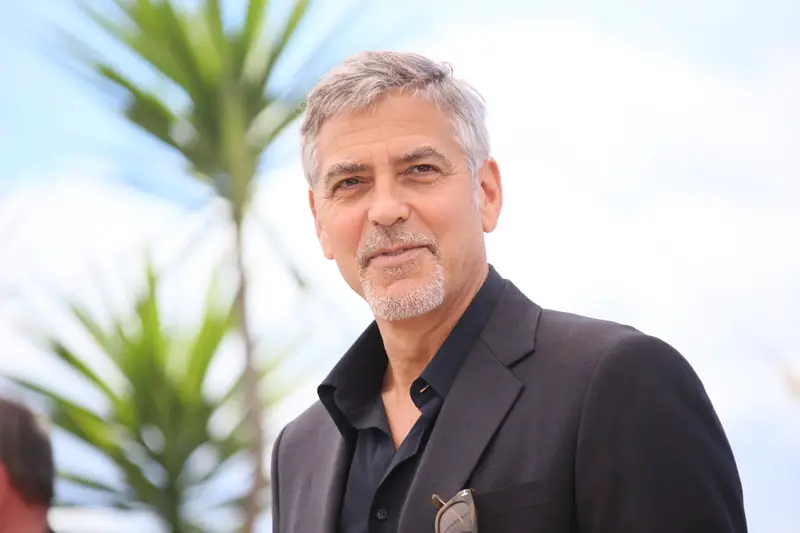
President Donald Trump unleashed a scathing attack on actor George Clooney on Wednesday, December 31, following news that the Oscar winner had acquired French citizenship along with his wife, Amal Alamuddin Clooney, and their two children.
Writing on Truth Social, Trump said Clooney got more publicity for politics than his mediocre movies. The president also called Clooney one of the worst political prognosticators in a wide-ranging post that criticized both the 64-year-old actor and France itself.
Trump’s tirade came as part of a larger New Year’s Eve social media blitz in which he targeted multiple political opponents and public figures. The president told rivals to rot in hell, including Jared Polis, Tim Walz, and Ilhan Omar, in what critics described as an unusually aggressive set of posts.
In his attack on Clooney, Trump said France has horrendous crime and immigration problems. The remarks came against the backdrop of Trump’s broader messaging on immigration policy, a central focus of his political career.
The president’s reference to Clooney being one of the worst political prognosticators appears to stem from the actor’s involvement in the 2024 presidential campaign. Clooney originally supported Biden, then dumped him amid concerns about Biden’s age and political viability. Trump seized on this reversal as evidence of Clooney’s poor political judgment.
Clooney’s acquisition of French citizenship represents a significant personal move for the Hollywood star, who has long maintained international connections through his work and his wife’s career. The actor’s decision to obtain French citizenship for himself and his family came at a time of heightened attention to citizenship policies.
Trump’s New Year’s Eve posts were part of what Jake Tapper called social media garbage, a characterization that reflected widespread criticism of the president’s late-night posting habits. The attacks came during what was supposed to be a holiday period, but instead became another flashpoint for Trump’s confrontational political style.
The president’s social media activity took an even darker turn on December 30, when Tatiana Schlossberg, the granddaughter of John F. Kennedy, died at age 35 from acute myeloid leukemia. Rather than offering condolences, Trump posted attacks on the Kennedy family following Tatiana’s death. The environmental journalist had been outspoken about various issues, and her passing was mourned by the Kennedy family and the broader journalistic community.
Trump’s posts about the Kennedy family came in the context of Trump renaming the Kennedy Center in Washington, D.C., to the Trump Kennedy Center. The move has been controversial, with some family members and legal experts arguing that federal law prevents such a renaming. The Kennedy Center has long served as a memorial to the assassinated president, and Trump’s rebranding has reignited debates about presidential authority and respect for historical institutions.
In his New Year’s message, Trump also made claims about his approval rating, stating he had over 50 percent approval from voters. However, independent polling data suggests his actual approval rating stands at minus 12, a significant discrepancy from the president’s claims. This pattern of disputing unfavorable polling data has been consistent throughout Trump’s political career, with the president frequently challenging numbers that paint him in a negative light.
Trump’s attacks on Polis and Walz reflected his ongoing battles with Democratic state leaders. Both have been vocal critics of Trump’s policies, particularly regarding immigration, healthcare, and environmental regulations. The president’s directive marked an escalation in rhetoric even by Trump’s standards, prompting concerns from political observers about the coarsening of political discourse.
The president’s criticism of Ilhan Omar continued a long-running feud between Trump and the congresswoman. Trump has repeatedly targeted Omar, and his New Year’s Eve posts suggested this antagonism would continue into 2026. Omar has been a prominent voice in progressive politics and a frequent critic of the Trump administration’s policies.
The timing of Trump’s attacks—late on New Year’s Eve and into the early hours of January 1—raised questions about presidential behavior and the use of social media platforms for official communications. While Truth Social has become a platform for direct communication with supporters, critics argue that using it for personal attacks undermines the dignity of the office.
Trump’s characterization of Clooney’s movies runs counter to the actor’s actual filmography and critical reception. Clooney has received numerous accolades throughout his career and has been recognized both as an actor and director. However, Trump has long been critical of Hollywood figures who oppose him politically, frequently dismissing their professional achievements.
The president’s broader pattern of late-night social media activity has become a defining feature of his communication strategy. These posts often combine policy statements, personal attacks, and grievances in a stream-of-consciousness style that energizes his base while alarming critics.
As Trump begins 2026, his confrontational approach shows no signs of moderating. The attacks on Clooney, Democratic leaders, and the Kennedy family suggest the president intends to maintain his aggressive posture toward opponents, regardless of the occasion or circumstances. This approach has proven effective in maintaining support among his core constituencies, even as it generates controversy and criticism from political opponents and media observers.