Bill Mazeroski, the Pittsburgh Pirates Hall of Fame second baseman whose walk-off homer in Game 7 of the 1960 World Series became one of baseball’s defining moments, passed away on February 20, 2026, at the age of 89.
The Pirates confirmed Mazeroski’s death on Saturday, February 21, sending ripples through the baseball community and leaving Pittsburgh grieving a cherished figure whose defensive brilliance and unforgettable swing helped shape a generation. He is survived by his sons, Darren and David, along with four grandchildren.
“His name will always be tied to the biggest home run in baseball history,” said Pirates Chairman Bob Nutting, noting that he would remember Mazeroski most for being “humble, gracious and proud to be a Pirate.”
At 3:36 p.m. on October 13, 1960, with the score knotted at 9-9 in the bottom of the ninth at Forbes Field, Mazeroski came to the plate. What followed cemented his legacy forever: he sent the second pitch from Yankees reliever Ralph Terry over the left-field wall, delivering Pittsburgh a dramatic 10-9 win and securing the championship.
No other player has ever ended a World Series with a Game 7 walk-off home run, a distinction that remains unmatched more than 60 years later.
The 1960 Fall Classic ranks among the greatest upsets in the sport’s history. The heavily favored New York Yankees dominated statistically, outscoring the Pirates 55-27 over seven games and winning three blowouts by scores of 16-3, 10-0, and 12-0. Yet Pittsburgh managed to claim the close contests 6-4, 3-2, and 5-2, setting the stage for the legendary finale.
Trailing 7-4 in the eighth inning of Game 7, the Pirates staged a comeback. Hal Smith’s three-run homer put them ahead 9-7 before the Yankees tied the game in the ninth, bringing Mazeroski to the plate for one of baseball’s most pressure-filled moments.
“While his bat delivered the first walk-off, series-ending home run in the history of our Fall Classic in 1960, it was Bill’s glove that earned him recognition from the Baseball Hall of Fame in 2001,” said MLB Commissioner Rob Manfred.
Born on September 5, 1936, in Wheeling, West Virginia, Mazeroski made his Pirates debut in 1956 at age 19. Although he posted a .260 average with 138 career home runs over 17 seasons, it was his defensive excellence that made him a 10-time All-Star and eight-time Gold Glove winner.
Mazeroski transformed the role of second basemen with his unmatched skill in turning double plays. He holds Major League records for most seasons leading the league in assists (nine) and in double plays (eight). His record of 161 double plays in 1966 still remains unmatched.
The National Baseball Hall of Fame inducted Mazeroski in 2001 after the Veterans Committee honored his defensive mastery. During his emotional induction speech, he was overcome with tears and never finished the 12 pages he had prepared, instead offering a short tribute to the importance of defense before sitting down to a standing ovation.
In 2010, the Pirates revealed a statue of Mazeroski outside PNC Park near the right-field gate. His number 9 had been retired in 1987, a street near the ballpark carries his name, and he was part of the inaugural Pirates Hall of Fame class in 2022.
The significance of that October afternoon in 1960 reached far beyond box scores. At only 24, Mazeroski became the face of an underdog triumph that captivated America during a time when baseball was the country’s most influential sport.
Pittsburgh Mayor Corey O’Connor honored Mazeroski as the man who delivered “one of the greatest home runs in baseball history to clinch the 1960 World Series, and set records as one of the best defensive second basemen to play the game.”
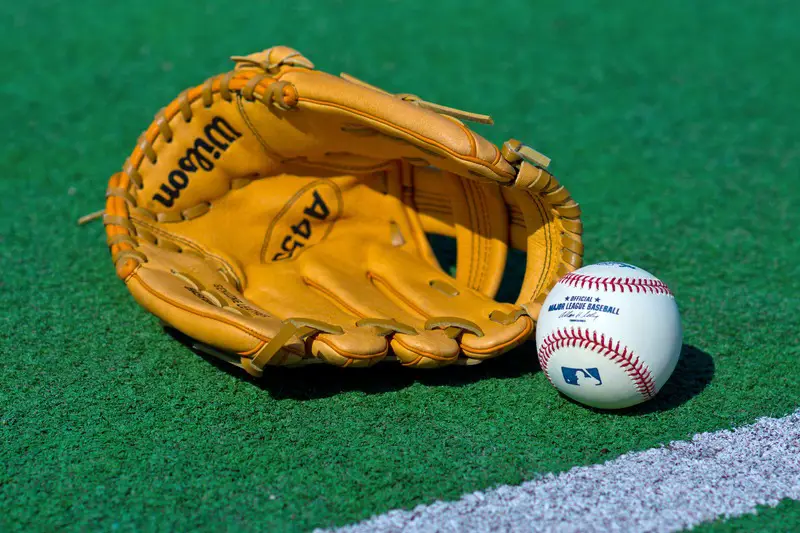
Though his home run made history, both teammates and opponents long remembered Mazeroski for his defensive mastery. He preferred small, well-worn gloves with the heel padding removed for better feel, and used only about four gloves throughout his 17-year career, continually repairing them instead of switching to new ones.
The combination of elite defensive play and postseason heroics built a legacy that rose above traditional statistics. In a sport obsessed with offensive numbers, Mazeroski proved that defensive greatness could earn baseball’s highest accolades.
Pittsburgh didn’t just lose a baseball icon—it lost a modest, beloved figure who never sought fame but could never escape it after that unforgettable swing on October 13, 1960.