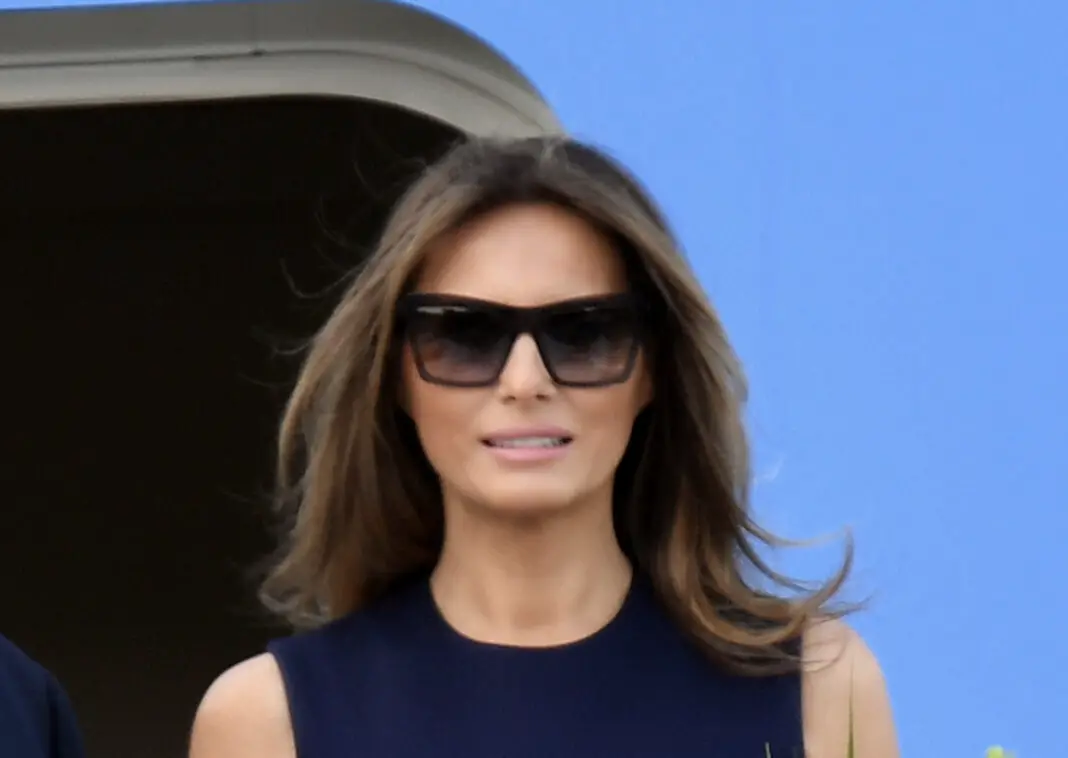
The documentary “Melania” has vanished from box office charts after just four weeks in theaters, marking a stunning collapse for Amazon MGM Studios’ controversial $75 million gamble on First Lady Melania Trump.
The 104-minute film no longer appears among the top 38 domestic releases according to IMDb box office rankings, effectively ending its theatrical run with a total domestic haul of $16.3 million against Amazon’s $40 million acquisition cost and $35 million marketing spend.
After opening at No. 3 with $7.1 million on January 30 — the highest opening for a non-concert documentary in more than a decade — the documentary chronicling First Lady Melania Trump’s final 20 days before reclaiming her White House role dropped 67% in its second weekend. By its third week, the film had plummeted to No. 15 before disappearing entirely from major markets.
The studio stopped reporting box office figures on Saturday, February 21, and the film is no longer playing in New York or Los Angeles. A WIRED analysis during the film’s theatrical run examined 1,398 showings across 329 American theaters and found only two sold-out screenings in the entire country: one in Florida and one in Missouri.
Amazon MGM reportedly dropped 600 theaters on top of 700 that lost the film the week before. On Thursday, the last day of general release, the documentary made just $70,000, averaging $59 per theater — a figure that suggests many screenings played to near-empty rooms.
Despite the box office implosion, Kevin Wilson, Amazon MGM’s head of domestic theatrical distribution, maintained an optimistic tone. “Melania’s strong theatrical performance is a critical first moment that validates our holistic distribution strategy, building awareness, engagement and provides momentum ahead of the film’s eventual debut on Prime Video,” Wilson said in a statement.
The film, directed by Brett Ratner, generated controversy from its announcement. Ratner was accused of sexual misconduct by six women in November 2017, including actresses Olivia Munn and Natasha Henstridge, at the height of the #MeToo movement. He denied all allegations and was never charged with a crime. Warner Bros. subsequently severed ties with Ratner, and this marks his first major film since the accusations. Amazon founder Jeff Bezos dined with President Donald Trump at Mar-a-Lago in December 2024, weeks before Amazon acquired the documentary rights.
The documentary opened in 1,778 theaters across North America before expanding to 2,003 screens for its second weekend. By February 25, it had shrunk to just 505 theaters. Top-performing markets included Dallas, Orlando, Tampa, Phoenix, Houston, Atlanta and West Palm Beach. The audience skewed heavily female (72%), white (75%), and over 55 (72%), with rural theaters accounting for 46% of total box office grosses — far above the typical 30%.
The White House held a private black-tie screening on January 24 before the film’s premiere at the Kennedy Center in Washington. The event drew tech titans including Amazon CEO Andy Jassy, Apple CEO Tim Cook, Zoom CEO Eric Yuan, and AMD CEO Lisa Su, along with Queen Rania of Jordan, motivational speaker Tony Robbins, and former boxer Mike Tyson. Following the screening, First Lady Melania Trump posted on X: “I am deeply humbled to have been surrounded by an inspiring room of friends, family, and cultural iconoclasts at the White House last night.”
Critics savaged the film, giving it an 11% Tomatometer rating on Rotten Tomatoes based on 53 reviews. The Guardian’s Xan Brooks wrote that the documentary “plays like a gilded trash remake of ‘The Zone of Interest'” and called it “pure, endless ****.” The site’s consensus reads: “Presented with great pomp and circumstance but little insight, this documentary purports to be an up-close view of the First Lady while curiously revealing very little about her.”
However, audience scores told a radically different story. The film earned a 98% verified audience rating on Rotten Tomatoes and an “A” grade on CinemaScore — creating the largest critic-audience disparity in Rotten Tomatoes history. Rotten Tomatoes’ parent company Versant denied any manipulation, stating that all reviews are verified ticket purchases through Fandango.
Internationally, the documentary performed even worse, collecting just $291,552. In the United Kingdom, it opened at No. 29, earning £32,974 from 155 cinemas for a £212 per-screen average. Second-weekend earnings cratered 88% to just £4,091. In Mexico City, 15 of 27 showings at eight theaters sold zero tickets, averaging just 2.9 moviegoers per screening. The South African distributor Filmfinity canceled the release entirely.
Amazon’s unconventional distribution strategy has sparked industry debate about whether theatrical releases now serve primarily as expensive marketing campaigns for streaming content. Movie industry analyst David A. Gross noted that while the opening was “excellent” for a political documentary, “for any other film, with $75 million in costs and limited foreign potential, it would be a problem.” The company’s total investment of $75 million, according to multiple reports, dwarfs typical documentary budgets — RBG (2018), for comparison, had a marketing budget of just $3 million.
The lavish spending has fueled speculation about Amazon’s motives. Disney reportedly offered $14 million to $15 million for streaming rights alone — meaning Amazon outbid competitors by approximately $25 million. First Lady Melania Trump personally received approximately $28 million of the $40 million acquisition fee, according to reports citing the Wall Street Journal.
The documentary will now head to Prime Video, where Amazon MGM hopes it will find a more receptive audience. A release date for the streaming debut has not been announced, though a follow-up docuseries is also in development as part of the original acquisition deal. Whether streaming viewership can recoup the massive investment remains uncertain — but for Amazon, the world’s largest e-commerce company, $75 million may be a small price to pay for goodwill with the Trump administration.