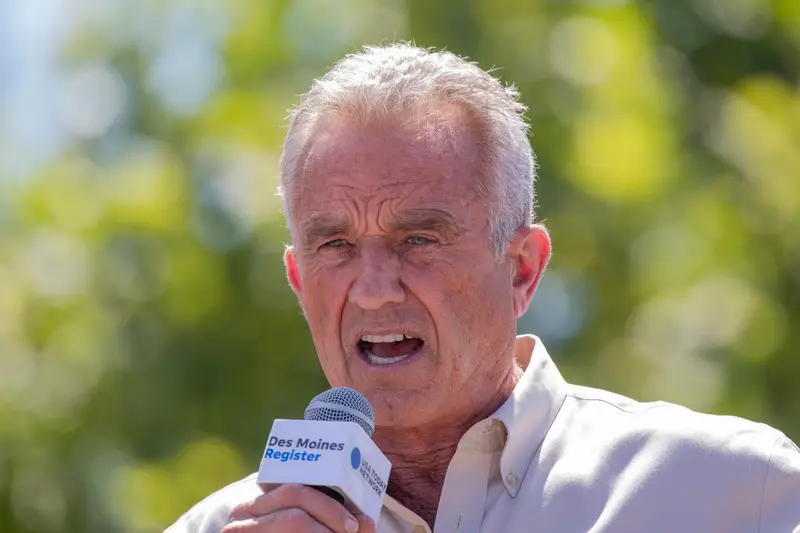
Health and Human Services Secretary (HHS) Robert F. Kennedy Jr. launched a blistering attack on CNN’s pandemic reporting during a Sunday, August 2, 2026, appearance on “State of the Union,” telling anchor Dana Bash that she and her network had committed “absolute press malpractice” and were “part of the problem” when COVID-19 swept across the country.
The broadcast quickly descended into an acrimonious confrontation as Kennedy and Bash sparred over vaccine safety, federal lockdown policies, and whether journalists had adequately scrutinized government officials during the health crisis.
Measles Crisis Looms Over Interview
A nationwide measles outbreak framed much of the discussion. Bash pressed Kennedy on whether his longstanding skepticism of vaccines had contributed to the current crisis. The HHS secretary rejected any personal culpability, though he stated that he supports parents choosing to immunize their children against measles. Kennedy also addressed President Trump’s desire to investigate potential connections between vaccines and autism, a theory scientists have repeatedly debunked.
When the topic turned to COVID-19 vaccines, Kennedy challenged Bash on whether the shots had actually safeguarded children. Bash countered by pointing to research showing that false information about vaccines had led to thousands of preventable deaths. Kennedy called the claim nonsense, triggering another bitter exchange.
Accusations of Censorship and Fear-Mongering
Kennedy insisted that constitutional liberties were trampled during the pandemic and that dissenting voices faced systematic suppression. He accused the federal government of violating the First Amendment by censoring critics of its official response. Bash attempted to redirect the discussion toward preparing for future health emergencies, but Kennedy refused to pivot.
The secretary delivered his harshest rebuke in a direct broadside against Bash’s professional conduct. Kennedy said, “You were part of the problem. There was absolute press malpractice. Your job — your job — is a fierce skepticism toward authority, and you weren’t doing that.”
He claimed CNN had stoked fear among its audience and marginalized Americans who raised questions about the government’s pandemic strategy. Bash did not back down, asking Kennedy whether he preferred to focus on public health or continue attacking her personally. The secretary insisted Bash was the aggressor, a characterization she flatly rejected while noting her intent was simply to explore pandemic preparedness.
Death Toll Debate Ignites Early Tensions
Friction erupted almost immediately when Bash questioned Kennedy’s contention that the United States experienced “the highest death rate from COVID of any nation on earth.” Kennedy defended the statement and pivoted to criticizing Dr. Anthony Fauci, who previously led the National Institute of Allergy and Infectious Diseases, over lockdown measures enacted during the emergency. Bash responded that state governors had imposed most shutdowns after receiving desperate warnings from hospitals whose intensive care units had reached capacity.
At one juncture, Bash said she did not intend to let Kennedy use the platform to advance claims that lacked full accuracy. As tensions peaked, she offered a blunt summary of the conversation, calling it “not productive.” She clarified that she was not asserting the entire pandemic had been managed properly, conceding it was a terrifying time during which errors were inevitable.
CNN Defends Its Anchor
A CNN spokesperson issued a statement Sunday afternoon defending Bash and the network’s coverage during the pandemic. The spokesperson praised her as a veteran journalist who had conducted a newsworthy interview in which Kennedy affirmed his support for measles vaccination and discussed the president’s research proposal. Posing rigorous, substantive questions to those in power is the responsibility of every journalist, the spokesperson said, and the network stood behind Bash, her work and its pandemic reporting.
Media observers offered harsher judgments of Kennedy’s performance. One assessment concluded that Bash had fulfilled the exact responsibilities of a Sunday interviewer while Kennedy responded with angry outbursts directed at his interviewer rather than displaying the composure expected of a senior government official. The segment had deteriorated into something well beyond typical Sunday morning sparring, the commentary observed.
The on-air clash highlighted a growing chasm between Kennedy and mainstream journalists over how the pandemic was documented and what principles should govern responses to future outbreaks. Disagreements over public health policy seldom erupt so visibly on network television. As Kennedy steers federal health policy amid rising vaccine skepticism and a worsening measles epidemic, the confrontation offered a glimpse of the turbulent terrain ahead each time he faces reporters determined to challenge his statements.