The richest man on the planet poured nearly half a billion dollars into the midterms, and a roomful of Academy members laughed at him for it.
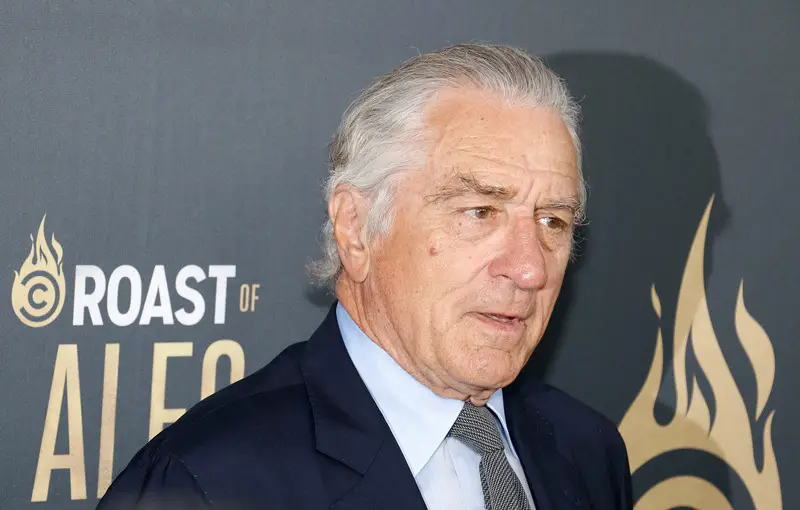
Robert De Niro, the Oscar-winning actor who co-founded the Tribeca Festival with Jane Rosenthal, opened a screening of Alex Gibney’s documentary about Elon Musk on Sunday, Nov. 8, 2026, at the Crosby Hotel in Manhattan with a short piece of arithmetic about Musk’s political spending. “Elon Musk spent about 300 million dollars getting Trump elected in 2024,” De Niro said as he introduced the film. “And he just spent close to half a billion on Republicans in this past week’s election. How did that turn out for you?”
The room answered with cheers and laughter. Rosenthal was with him at the intimate showing, and Gibney took the microphone after De Niro finished.
Musk Isn’t Going Anywhere
De Niro also worked in the news that Tesla will end Cybertruck production next summer, which Musk announced on X, and tied it to the election results. “In the fight between Musk’s money and democracy, democracy won. This time. But just like his grotesque Cybertruck, Musk isn’t going anywhere,” De Niro said.
He asked the audience not to treat the repudiation of President Donald Trump at the polls as a finish line, called on them to remain vigilant and be prepared to act, and asked them to spread the word about the film.
Musk put around $445 million into Republican-backed political action committees and causes ahead of November’s elections, making him the party’s biggest backer of the midterm cycle. Between July and September alone, he gave more than $276 million to Republican groups. Democrats swept control of the House, the Senate and several governor’s races in the Nov. 3 midterms.
Trump awarded Musk the National Medal of Science on Oct. 8, less than a month before the vote.
Musk Declined, So AI Took His Seat
Gibney’s film runs three hours 52 minutes and does not contain a single minute of Musk sitting with the director, because Musk declined to take part. Instead the documentary builds an “interview” from a computer-generated Musk with an AI-synced voice repeating things he has really said elsewhere — a device Gibney has described as deliberately ironic.
Musk wrote the project off as a hit piece from the beginning, and he has been on the attack since Gibney started work in 2023. He called the finished documentary a “hit piece that misses” in a post on X, and said Gibney has “zero integrity.”
Ashley St. Clair, the former MAGA influencer who had a relationship with Musk and is the mother of his 13th child, appears on camera, as does tech reporter Zoë Schiffer. The film takes its hardest line on Musk’s time running DOGE for Trump, when hundreds of thousands of federal workers were pushed out.
A Plan B Named Mars
Gibney frames his subject as a 21st-century reincarnation of the confidence man. The documentary ends by arguing that Musk has bet everything on artificial intelligence and is no longer fearful for humanity’s survival because he has a plan B.
That plan B is Mars, according to AFP’s review from the Venice premiere. In the film’s account, SpaceX’s push to send people to Mars and other planets is presented as a hedge against AI getting out of control, one that could make money and would benefit only people who can afford it.
An Award the Same Night
“Musk” was named the year’s best biographical documentary at the Critics Choice Documentary Awards in New York the same night as the Crosby Hotel screening. The film premiered at the Venice Film Festival in September and is now available on demand.
Its domestic theatrical gross stands at over $700,000, and Breitbart compared its box office performance unfavorably with that of the “Melania” documentary.
Gibney won an Oscar for “Taxi to the Dark Side” and directed “Enron: The Smartest Guys in the Room.”