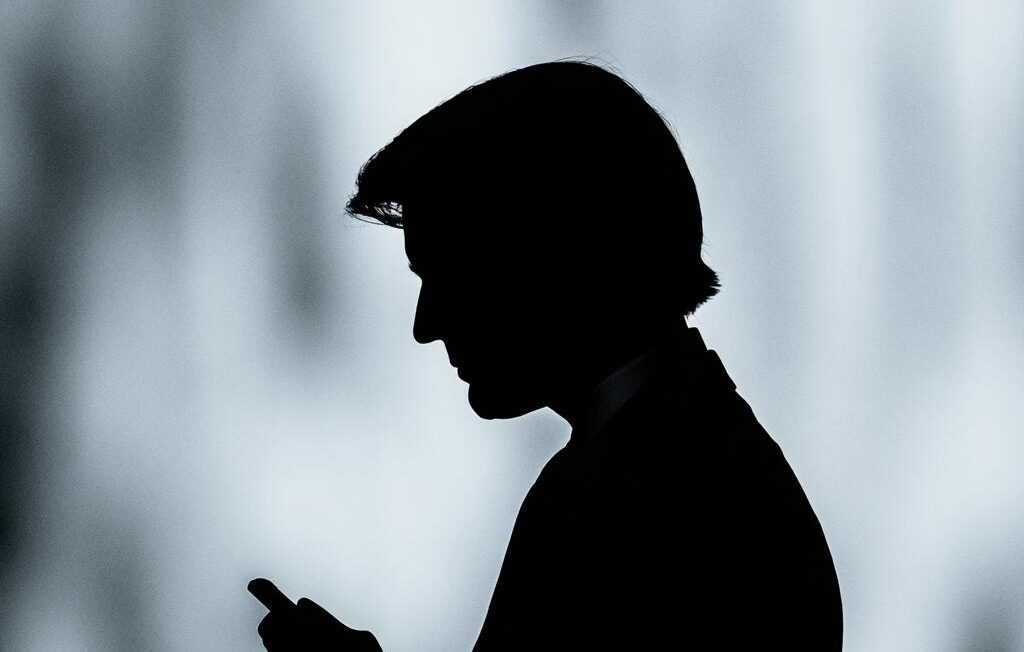
A conservative pastor has disclosed details of a late-night telephone conversation with Barron Trump, claiming the president’s youngest son is on the verge of a religious awakening. Stuart Knechtle, a pastor at Grace Community Church in New Canaan, Connecticut, shared the revelation during an appearance on George Janko’s faith-based podcast on Thursday, Dec. 4, 2025.
The pastor, who has built a substantial social media presence with 2.4 million followers on TikTok, recounted speaking with the 19-year-old first son one night at 12:30 a.m. According to Knechtle, the conversation centered on evidence for Christianity and left Trump processing new perspectives on faith. “I thought I was hitting him with everything but the kitchen sink when it came to all the evidence for God and Christianity,” Knechtle explained during the podcast interview.
Despite presenting multiple arguments for Christianity, Knechtle said most of his initial talking points failed to resonate. However, when the conversation turned to dreams and revelations—biblical concepts describing divine communication where believers receive guidance or warnings from God—the younger Trump’s interest appeared to shift. The pastor referenced his work observing Muslims in Africa who claim to experience spiritual conversions through supernatural dreams.
Knechtle told the podcast audience that he posed a specific question to Trump about these alleged conversions: “I have a friend over in Africa who witnesses thousands of Muslims coming to Christ through dreams and revelations. How do you explain that?” The pastor claimed Barron responded thoughtfully, acknowledging the concept of eyewitness testimony. “And that was the only thing that stuck with him,” Knechtle said, adding that Barron is “very close to putting his faith in Christ. Very close.”
Little has been publicly known about Barron’s religious beliefs until now. The teenager was baptized in December 2006 at the Episcopal Church of Bethesda-by-the-Sea in Palm Beach, Florida, the same venue where his parents, Donald and Melania Trump, were married. The family’s religious landscape reflects diverse Christian traditions, with President Trump raised Presbyterian before declaring himself a nondenominational Christian in 2020. The 79-year-old president attends church sporadically, typically for holidays, funerals, or ceremonial occasions.
First Lady Melania Trump identifies as Catholic. She holds the distinction of being only the second Catholic first lady in United States history, following Jacqueline Kennedy. This religious diversity within the Trump household—spanning Presbyterian, nondenominational Christian, Catholic, and Episcopal influences—creates an unusual spiritual backdrop for the family occupying the White House.
Barron has maintained an exceptionally low public profile compared to his father and older half-siblings. The teenager transferred to New York University’s Washington, D.C., campus and now lives at the White House. He attended his father’s second presidential inauguration in January 2025, marking one of his rare public appearances.
The Knechtle family has established a significant influence in evangelical circles. Stuart works alongside his father, Cliffe Knechtle. Together, they run the video series “Give Me An Answer,” which has accumulated 933,000 subscribers. The father-son duo regularly speaks at college campuses across the country, engaging students in discussions about Christianity and faith.
Several prominent members of the Trump administration have publicly embraced Christianity, including Secretary of Defense Pete Hegseth, House Speaker Mike Johnson, and Vice President JD Vance. The White House has promoted President Trump as strongly supportive of religious liberty and faith-based initiatives throughout his political career.
During the podcast conversation, host George Janko responded to Knechtle’s account by saying he would pray for Barron’s spiritual journey to continue. Knechtle agreed, suggesting such a development would be significant. The pastor emphasized what he viewed as the persuasive power of supernatural experiences, noting that people who are not believers sometimes reconsider their positions when confronted with accounts of dreams and revelations.
The White House has not commented on Knechtle’s claims about the late-night conversation. As Barron continues his education, questions about his personal faith journey remain largely private. The first son’s educational and personal life have been carefully shielded from media scrutiny, making Knechtle’s public disclosure an unusual glimpse into the teenager’s private considerations about religion and spirituality.