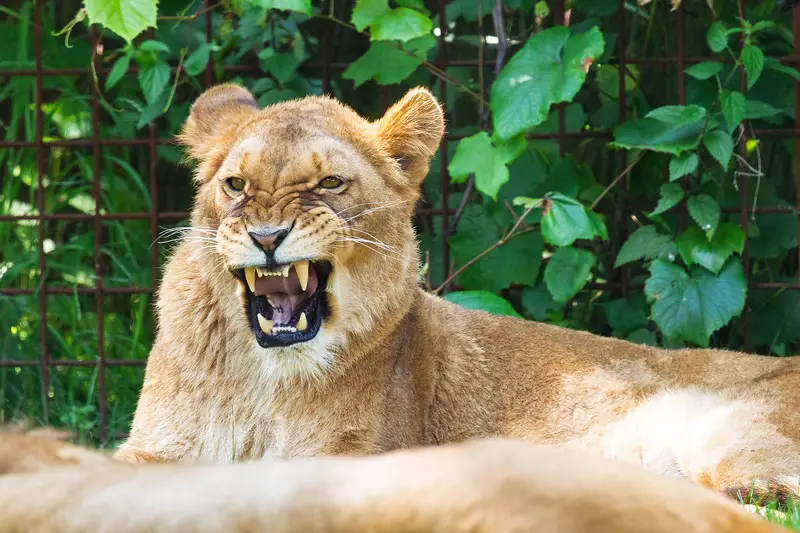
A 19-year-old young man was killed by a lioness at a Brazilian zoo on Sunday, Nov. 30, after climbing into the animal’s enclosure in front of horrified visitors. Gerson de Melo Machado scaled a 20-foot wall and slid down a tree to enter the lion habitat at Parque Zoobotanico Arruda Camara in João Pessoa, Paraíba.
The lioness, named Leona, attacked Machado as he descended the tree. Zoo visitors watched helplessly as the incident unfolded, capturing video that later circulated on social media. Despite attempts by security personnel to intervene, Machado moved too quickly into the enclosure for them to stop him.
The zoo immediately closed following the incident and has remained shut during the ongoing investigation. In a statement posted to Instagram, zoo officials confirmed the attack and expressed condolences to Machado’s family. The facility emphasized that it follows strict safety protocols and is cooperating fully with authorities to clarify the circumstances surrounding the event.
According to multiple sources, Machado had been diagnosed with schizophrenia and had been institutionalized on several occasions. Veronica Oliveira, a child welfare counselor who worked with him for eight years, provided insight into his troubled background and mental health struggles.
“He was 19 years old, but when he spoke, I believe his cognitive ability was no more than that of a 5-year-old,” Oliveira told O Correio Braziliense. She described Machado’s family circumstances as difficult, noting that his mother also had schizophrenia and that they lived in extreme poverty.
Oliveira revealed that Machado harbored a dream of becoming a lion tamer. His fascination with the animals was so intense that he had previously attempted to stow away in the landing gear of an airplane heading to Africa, where he hoped to pursue his ambition. Airport officials discovered him before the flight departed and referred him to welfare services.
The counselor expressed frustration with systemic failures that she believes contributed to the young man’s death. “Gerson is the result of a system that always excluded him; he’s been caged for years. Today was the culmination of a ‘Chronicle of a Death Foretold,'” she stated. She added that her feeling was one of total powerlessness, causing enormous pain.
Authorities are investigating whether Machado’s actions may have constituted a suicide attempt. A court had ruled a month before the incident that he should be hospitalized at the Custody and Psychiatric Treatment Hospital after medical evaluations determined he was unable to understand the criminal nature of his actions. However, officials were unable to locate him following that ruling.
Zoo veterinarian Thiago Nery defended the facility’s safety measures, stating that the enclosure has over eight meters of protection. He characterized the incident as completely unforeseeable and outside any scenario within the park’s normal operations. The park’s emphasis on safety standards reflects broader concerns about visitor behavior at zoological facilities, where barriers are designed to protect both animals and people from dangerous encounters.
Following the attack, zoo officials released a statement regarding Leona’s welfare and future. The lioness was immediately evaluated by the technical team and remains under continuous observation and monitoring, as she experienced high levels of stress from the incident. The zoo made clear that euthanasia was never considered as an option.
“Leona is healthy, does not exhibit aggressive behavior outside the context of the incident, and will not be euthanized,” the zoo’s Instagram statement read. The protocol for such situations involves monitoring, behavioral assessment, and specialized care to ensure the animal’s well-being.
The zoo emphasized that veterinarians, handlers, and technicians are fully dedicated to Leona’s recovery, working to help her stabilize emotionally and resume her normal routine safely. Animal behavior experts note that big cats in captivity typically only exhibit aggression when threatened or when their territorial instincts are triggered by intruders entering their space.
This incident raises questions about mental health support systems and the challenges facing individuals with severe psychiatric conditions. Oliveira’s comments highlight the difficulties that vulnerable populations face when attempting to access consistent, quality care. Her years of working with Machado revealed a young man whose mental health needs exceeded the resources available to him, despite multiple interventions throughout his life.
The tragedy also underscores the importance of zoo safety protocols and the need for public awareness about respecting barriers designed to protect both visitors and animals. While modern zoological facilities implement extensive safety measures, they cannot fully prevent determined individuals from attempting to breach enclosures.
As investigations continue, the zoo remains closed to visitors. Officials have not announced when the facility will reopen, stating that they are prioritizing safety and transparency throughout the investigative process. The incident serves as a sobering reminder of the power and unpredictability of wild animals, even those in captivity, and the critical importance of maintaining proper boundaries between humans and dangerous wildlife.