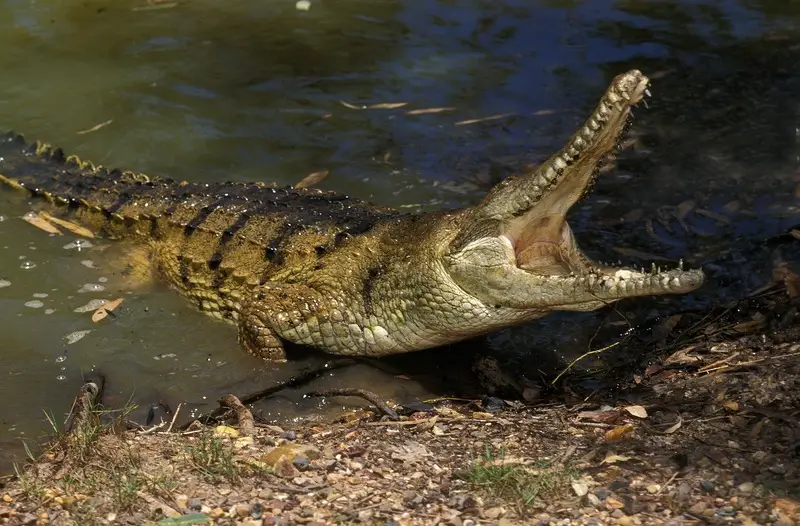
A 14-year-old boy was killed by a crocodile while washing clothes in a river in South Konawe Regency, Southeast Sulawesi, Indonesia, as his friends and younger sibling watched in horror.
Muhammad Rafli Hamzah was doing laundry when a crocodile attacked him and dragged him into the water. The boy struggled to break free from the reptile’s grip before disappearing beneath the surface in front of his horrified companions.
Emergency services launched a search operation that afternoon, with relatives and rescue volunteers scouring the river for hours. The Kendari Search and Rescue Office dispatched a team to the scene at approximately 3:30 pm WITA on January 5, 2026. Search coordinator Amiruddin said the team conducted a search along the river using multiple boats, including those owned by local fishermen.
Muhammad Rafli Hamzah’s body was eventually found floating in the river several yards away from where the attack occurred. Ipda Alimudin Latif, Kolono Police Chief, confirmed the body had sustained bite wounds when it was retrieved by a joint SAR and Fire Department team.
“Yes, the victim was found deceased. There were multiple bite wounds,” Latif said. “We urge the community to heighten their awareness to prevent similar incidents from occurring again.”
The Indonesian archipelago is home to estuarine crocodiles that thrive in the region’s tropical climate. These saltwater crocodiles are among the largest and most dangerous reptiles in the world.
Conservation experts believe overfishing is reducing the crocodiles’ natural food supplies, forcing the reptiles further inland toward villages. The depletion of fish stocks in coastal waters has disrupted the natural food chain, leaving crocodiles with fewer marine prey options and pushing them to seek alternative food sources closer to human settlements.
Widespread tin mining has also caused villagers to encroach on the crocodiles’ natural habitats. Additionally, coastal areas have been converted to farms, causing further habitat loss for the reptiles.
Many locals in rural areas still rely on rivers for bathing and fishing, creating dangerous conditions as crocodiles are pushed closer to human settlements. The combination of habitat encroachment, reduced food supplies, and continued human use of waterways has led to rising numbers of crocodile attacks across Indonesia in recent years.
In December 2025, a 10-year-old boy named Affan was killed by a crocodile while swimming with friends in the Inggoi River in North Maluku, Indonesia. The child was dragged underwater by the reptile, and his two companions frantically rushed back to the village to alert authorities.
Hendra Gunawan, South Halmahera Police Chief, noted the area was known as a crocodile habitat. “Crocodiles still often appear there. The locals say they’re swamp crocodiles,” he said.
The crocodile resurfaced near a village pier on December 18 following extensive search efforts by police, soldiers, and rescue volunteers.
Earlier in June 2025, an 80-year-old grandfather named Wasim was killed by a 10-foot crocodile while bathing in a river near his home in Tanggamus Regency, Lampung Province, Sumatra, Indonesia. Police urged the public to increase their vigilance following that incident.
The pattern of attacks highlights the growing conflict between humans and crocodiles in Indonesia’s rural regions. As development pressures continue to squeeze crocodile populations into smaller territories, wildlife experts warn that encounters between the reptiles and humans are likely to become more frequent unless measures are taken to protect both crocodile habitats and human communities.
Local authorities have been working to educate communities about the dangers of entering waterways known to be crocodile habitats, but many rural residents have limited alternatives for daily activities like bathing and washing clothes. Infrastructure development to provide safe water access remains a challenge in remote areas of the Indonesian archipelago.
The death of Muhammad Rafli Hamzah underscores the urgent need for comprehensive strategies to address human-wildlife conflict in Indonesia. Solutions may include establishing protected buffer zones around villages, improving public education about crocodile behavior and safety, and developing alternative water sources for communities that currently depend on rivers in crocodile territory.
Conservation efforts must balance protecting Indonesia’s unique crocodile populations while ensuring the safety of rural communities. The estuarine crocodiles that inhabit the region play an important role in maintaining healthy aquatic ecosystems, but their presence near human settlements requires careful management and increased awareness among residents.
The incident has left the community in South Konawe Regency grieving the loss of the young teenager. Muhammad Rafli Hamzah’s death serves as a tragic reminder of the dangers that persist in areas where humans and crocodiles share overlapping territory, and the critical importance of heeding safety warnings about entering waterways known to harbor the powerful predators.