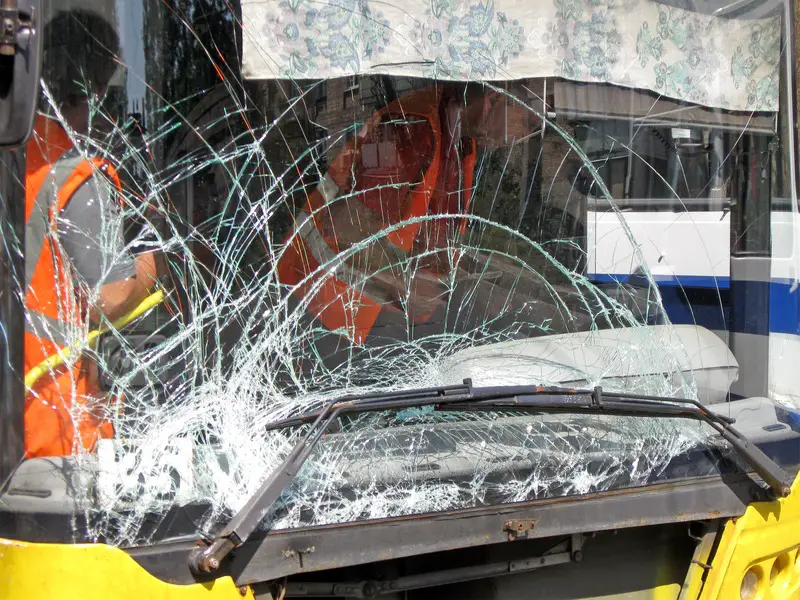
Authorities in Peru confirmed that a violent crash between two buses on July 25, 2026, left at least five people dead and 16 others wounded in the Tacna region near the Chilean border.
The head-on collision unfolded on the southern Panamerican Highway, a major route linking Peru and Chile that carries heavy passenger and freight traffic. Police speaking to The Associated Press said investigators had not yet identified what caused the buses to collide. Local news outlets reported that dense fog had sharply reduced visibility along the highway at the time of the crash. Peruvian outlets have since named the five dead.
Farmer Describes Being Swept Into Wreckage
The force of the crash pulled in at least one other vehicle. Agustín Choquecota, a farmer who was hauling livestock in a pickup truck, recounted to Radio Uno being “dragged along by the impact after one of the buses involved in the accident veered out of its lane.” His account suggested one bus had crossed into oncoming traffic, though authorities had not confirmed the chain of events.
The injured were transported to the Hipólito Unanue de Tacna hospital for emergency care. Hospital director Eddy Vicente told reporters that most of the injured were in stable condition, but one patient, a 24-year-old man, was being treated for serious injuries including several broken bones. Officials did not release further details on the ages or medical status of other patients.
Deadly Roads Claim Thousands Annually
The July 25 wreck fits a troubling trend across Peru, where official statistics documented 3,428 traffic fatalities in 2025 alone. Safety experts have repeatedly criticized the country’s weak oversight of intercity bus operators and pointed to sluggish emergency response systems that compound the toll when crashes occur.
Many specialists argue that genuine progress demands legislative overhaul rather than scattered enforcement efforts. The Tacna region’s stretch of the Panamerican Highway serves as a vital corridor for travelers and commerce moving between the two countries, and long-haul buses operate the route continuously.
Aging fleets, exhausted drivers covering immense distances, and uneven application of traffic regulations have all been implicated in prior disasters, though no specific factor had been tied to this incident as of the latest updates. Head-on collisions on high-speed or mountainous highways have consistently produced some of the country’s worst casualty counts.
Probe Underway, No Findings Released
Investigators had not announced what caused the collision or whether either bus company would face penalties. Peruvian officials typically examine vehicle maintenance, driver conduct and road conditions after fatal wrecks, but authorities did not disclose how many passengers were aboard either bus or whether any mechanical issues had been detected.
The lack of timely information left families in Tacna focused on the condition of those hospitalized. No schedule for releasing victim names or investigation findings had been set.
Advocacy groups have pressed for stricter regulation of Peru’s bus industry in the wake of previous mass-casualty crashes, arguing that the annual death toll—measured in the thousands—reveals structural failures that individual accidents merely underscore. Whether the latest tragedy will spark renewed momentum for the reforms experts demand remains uncertain, as the region grapples with another deadly day on its roads.