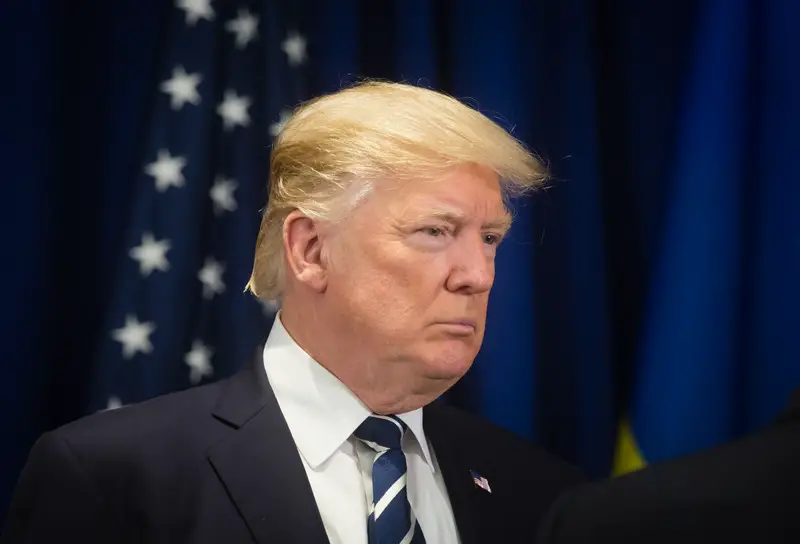
On his Aug. 10, 2026 “Tonight Show,” host Jimmy Fallon aimed at President Donald Trump’s sudden shift in tone on the ongoing war against Iran, skewering the president’s “low-keying it” approach to the conflict.
Fallon landed some of his best lines yet on the Monday broadcast, drawing a stark contrast between Trump’s earlier bellicose rhetoric and his newly relaxed posture. Fallon joked that “Trump has now backed off his threats to launch more strikes.” He then mocked the president’s framing directly, saying, “He says that his new approach is ‘low-keying it.’ We’ve gone from Operation Epic Fury to Operation Chillax Bruh.”
Trump’s Iran Strategy Under the Microscope
The comedic jabs landed against a backdrop of serious reported developments in the administration’s war calculus. Trump is reportedly so desperate to find an exit ramp that he has privately told senior aides he may be willing to abandon his primary stated objective — securing a deal with Iran to eliminate its combat-nuclear capability — in exchange for being able to declare victory once the Strait of Hormuz is fully open. That negotiating posture is undercut by a notable irony: the strait was already open when the military campaign launched back in February 2026 and only became closed after the conflict began.
Compounding the administration’s difficulties, reports have surfaced of a missile shortage that may be eroding Trump’s leverage at the negotiating table. That reported shortfall could also explain why the White House has shown such hesitation about resuming strikes. Trump has denied reports, attributed to Reuters, that the United States is running low on certain missiles as a result of the Iran conflict.
Fallon’s Earlier Missile Jab Still Resonating
The Aug. 10 monologue was not the first time Fallon had taken the missile shortage and run with it for comedic effect. Days earlier, on Aug. 7, the “Tonight Show” host pounced after Trump threatened that the “leakers” of what he called “treasonous statements” about the shortage “are being hunted down.” Fallon’s response was deadpan and surgical: “Well, we know one thing, they’re not being hunted by missiles. We don’t have any.”
The line encapsulated what late-night television has been doing with the Iran war story for months — finding the absurdity at the intersection of presidential bluster and reported operational reality. Both the bravado and its deflation have become recurring material for Fallon’s monologues as the conflict drags on with no clear resolution in sight.
Lawmakers Press on Military Families’ Deportations
While Fallon mines the war for late-night comedy, a separate but equally serious controversy is unfolding around the administration’s immigration enforcement operations. More than 60 Democratic lawmakers have launched a formal investigation into the roundup of family members belonging to active-duty U.S. service members by federal immigration agents. The probe was triggered after the Associated Press found that more than 50 spouses and parents of troops have been caught up in the president’s immigration crackdown, with at least six of those family members already deported.
In a letter sent to the Department of Homeland Security (DHS), the Pentagon, and the Department of Veterans Affairs (VA), the lawmakers vowed to determine whether those agencies are coordinating efforts to expel service members’ relatives. The lawmakers warned that such actions “imperil military readiness, weaken service members’ morale, and betray America’s promises to the people who put their lives on the line for our nation.”
The convergence of that scandal and an ongoing war already straining resources has given critics — and late-night hosts — ample material to work with. For Fallon, the through line connecting the Iran war’s stumbles and the broader political turbulence of the Trump administration has proven to be a reliable source of comedy — and, for many viewers, a way of processing a genuinely unsettling moment in American foreign and domestic policy. Whether the president’s newly mellow “low-keying it” approach to Iran marks a genuine strategic recalibration or a retreat in disguise, the late-night verdict, at least, appears to be in.