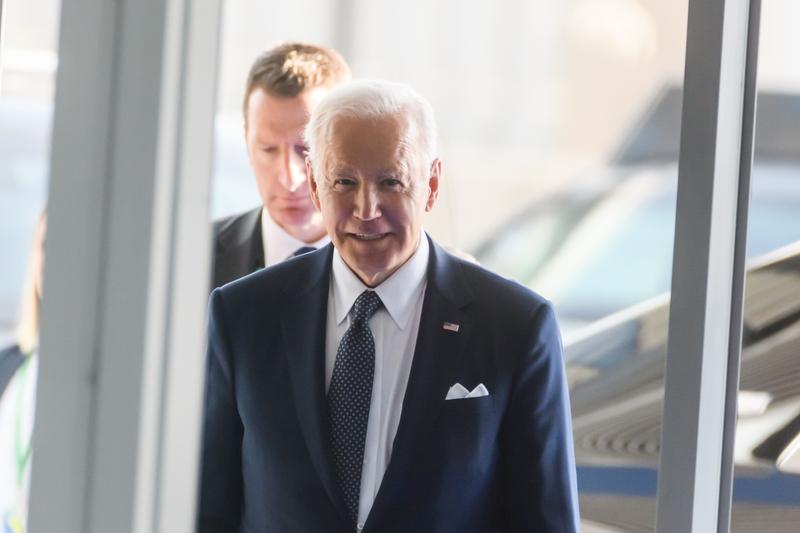
Former President Joe Biden, 83, reported progress in his prostate cancer treatment in an update posted on Tuesday, September 8, 2026, and used the occasion — September is Prostate Cancer Awareness Month — to press other men to talk with their physicians about getting screened.
“The radiation treatment from last fall worked as intended, and I continue to do the things I care about, like finishing my memoir,” Biden said in a statement.
Biden did not provide details about his prognosis or about whether he expects to undergo additional treatment. He thanked the doctors and nurses who treated him for their care, and thanked the people who have reached out and kept him and his family in their prayers.
The Appeal to Other Men
The core of Biden’s message was not his own case but a push for early detection. “Talk to your doctors. Ask the hard questions. Do it for yourself, and do it for the people who love you,” he said.
He said men at average risk should begin discussing prostate cancer screening with their doctors around age 50, and that Black men and men with a family history of the disease should start those conversations earlier.
That guidance tracks with the American Cancer Society, which recommends that men at average risk talk with a health care provider about screening beginning at age 50, that Black men and certain men with a family history begin that discussion at 45, and that some men at higher risk begin at 40.
Biden closed his statement on a note of gratitude and faith. “It’s my hope and prayer that by sharing our experience and being part of this important conversation, we can help save lives,” he said. “And no matter what, keep the faith. God bless you.”
How the Diagnosis Came to Light
Biden’s office announced in May 2025 that he had been diagnosed with an aggressive form of prostate cancer that had metastasized to his bones. The disclosure came less than four months after he left the White House in January 2025, having served a single term.
The diagnosis followed increasing urinary symptoms and the discovery of a nodule on his prostate, according to his office, which said the cancer carried a Gleason score of 9, Grade Group 5. The office also said the disease was hormone-sensitive, which allows for effective management, and that Biden was working closely with his physicians to weigh treatment options.
Metastatic prostate cancer — disease that has moved beyond the prostate — is generally not considered curable, medical experts say, although hormone therapy, chemotherapy and other drugs can slow its progress and keep symptoms in check.
Biden has dealt with other health problems in recent years. Doctors removed a cancerous skin lesion from his chest in 2023, while he was in office, and took out a benign polyp from his colon in 2021.
What His Family Has Said
The update follows an August account from his son that ranked among the family’s most detailed since the diagnosis was disclosed. In an interview with the BBC broadcast late on Friday, August 7, his son Hunter Biden grew emotional as he discussed his father’s condition. “The cancer has spread, metastasized into his bones and further,” Hunter Biden said. “It’s very painful and it’s very debilitating in many respects.”
Hunter Biden said his father is still receiving treatment and is making time with family a priority, and that he continues to speak out on the issues that matter to him. He did not elaborate on the extent of the spread or offer details about his father’s prognosis.
Jill Biden, the former first lady, has previously said her husband will live with the disease for the rest of his life.
A Public Schedule and a Memoir
Biden, the oldest man to serve as U.S. president, has continued to appear in public since the diagnosis became known. He spoke at a South Carolina Democratic Party fundraising event at the Columbia Museum of Art in Columbia, South Carolina, on February 27. He and Jill Biden adopted a pair of black Lab-mix puppies named Boo and Scout.
His age drew concern through much of his four years in office, and he and his advisers have faced sharp criticism over how much was disclosed about his condition, particularly after he abandoned his re-election bid following a debate with Donald Trump, who succeeded him as president.
The memoir Biden referred to in his statement, “Promise Me, America,” is scheduled for release in November, after the midterm elections. His public message, though, centers less on his own case than on a single request: that other men start the conversation with a doctor early enough for it to matter.