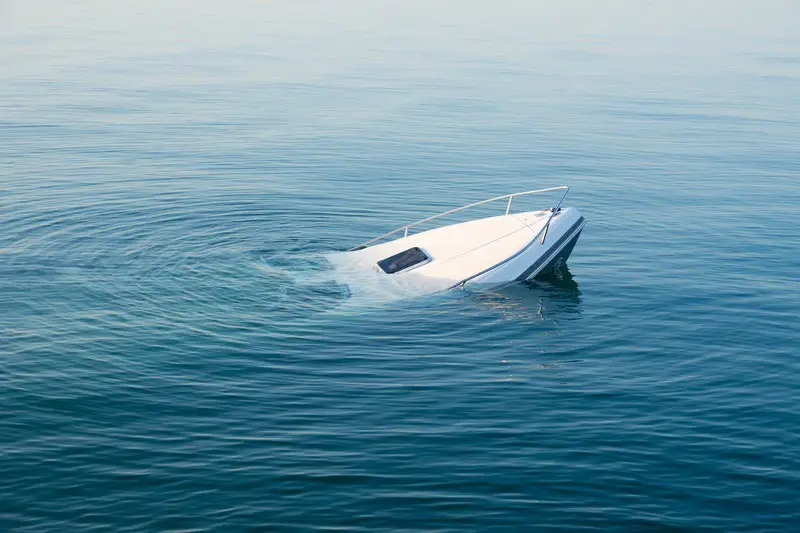
At least 139 migrants, including 15 children, are dead after an overcrowded boat bound for Yemen capsized off the northern coast of Djibouti during the night of Oct. 8-9, 2026, the United Nations’ International Organization for Migration (IOM) said. Another 84 people remain missing.
The agency revised its count sharply upward on Sunday, Oct. 11, after 30 more bodies were found. An earlier tally had listed 109 dead and 116 missing.
The vessel went down near Guhere, north of the fishing town of Obock, while carrying about 305 people from Djibouti toward Yemen, according to survivor accounts cited by the agency. Alexandre Coissac, the IOM chief of mission in Djibouti, said the migrants boarded on the evening of Oct. 8 and the boat sank shortly afterward, close to shore, primarily because of overcrowding. Survivors told the agency the vessel began going down backwards the moment they climbed aboard. About 150 of those on the boat had been turned back from Yemen previously and were attempting the crossing a second time, Coissac said.
About 82 people survived, all of them Ethiopian nationals. IOM is assisting 64 of them at its Migrant Response Centre in Obock with healthcare, psychosocial support, temporary shelter, food and protection services, and is helping them reestablish contact with their families. Some are being treated after swallowing sea water. Others have been given access to phones to tell relatives at home that they are alive; several already know that family members drowned.
Buried Without Names in a Common Grave
Coissac, who traveled to the area of the shipwreck on Saturday, Oct. 10, said the official count reflects only those buried by Djiboutian authorities. Bodies interred by migrants themselves will not be added until the authorities can verify them.
“What is terrible is that they were buried with no names, in a common grave, like in a war situation,” Coissac said. He added that the dead all have a mother and a father, and that what happened to them may never be known. Local responders could not keep pace with the bodies arriving at the shore, he said, describing the survivors he met as deeply shaken.
Among the bodies recovered were at least 52 men, 42 women and 15 children — nine girls and six boys. The agency has warned that the toll could still climb. Video it released showed personal items, including shoes, on a beach near the site. Djiboutian authorities are pressing on with search-and-rescue operations, treating survivors and arranging burials.
Why Thousands Risk the Crossing
Tens of thousands of people from the Horn of Africa, mainly Ethiopians and Somalis, pass through Djibouti every year and cross the Bab el-Mandeb Strait toward Gulf countries, above all Saudi Arabia. IOM points to poverty, insecurity and the deepening effects of climate change as drivers of the journey. Of the movements the agency recorded along the Eastern Route in 2024, 89 percent were primarily economic, while 7 percent were linked to conflict, violence or persecution.
The route punishes those who attempt it: intense heat, overloaded boats and the risk of drowning in the Red Sea and the Gulf of Aden. Migrants who reach Yemen can face violence, arbitrary arrest and detention, exploitation and trafficking, the agency said. It has logged more than 20,000 movements into Djibouti from Ethiopia since Sept. 10.
A Corridor With a Rising Death Toll
The crossings have continued even as fighting intensifies on the other side of the strait between Yemen’s Saudi-backed, internationally recognized government and the Iranian-backed Houthi rebels. Traffic is now moving both ways: at least 2,000 Yemenis have received assistance in Djibouti.
More than 900 migrants died or disappeared along the Eastern Route in 2025, according to IOM’s Missing Migrants Project, even as the number attempting the journey rose 18 percent. A shipwreck off Djibouti in March 2026 left nine people dead and 45 missing. The agency has called the Oct. 8-9 sinking one of the deadliest yet recorded on the Eastern Route linking the Horn of Africa to the Arabian Peninsula.
IOM Director General Amy Pope pressed governments and donors to open safe and legal migration channels, saying deaths on this scale must not be accepted as routine. “No one gets into a boat like that unless they believe there is no other safe way,” she said.