Yuleidy Ixcotoyac, a 15-year-old girl from rural Guatemala, sat up inside her coffin during her own wake on Saturday, Oct. 10, 2026. She is now conscious, and Guatemalan prosecutors are investigating how her family came to believe she had died.
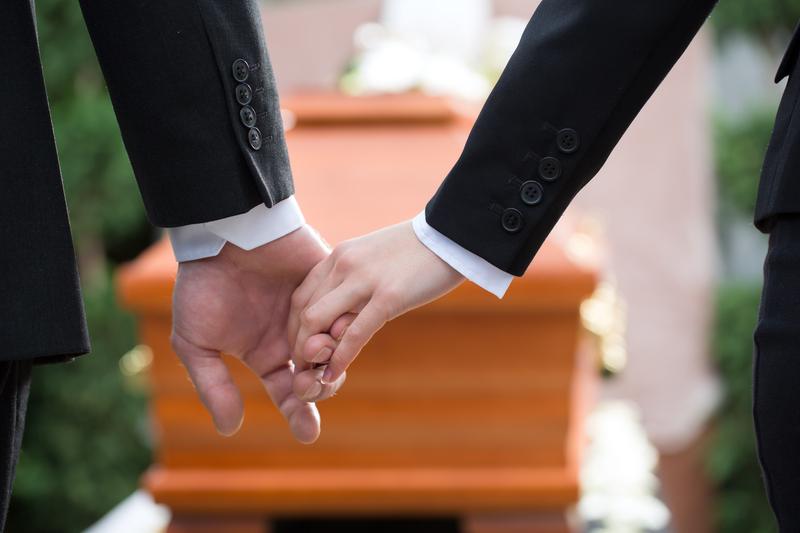
Her family had placed her in a wooden casket in the yard of a family home in El Jocote, a village in the municipality of Sacapulas, in the department of Quiché. Mourners pressed around the casket. The teenager woke between seven and eight hours after the family considered her dead. Footage of the moment spread on social media far beyond the Guatemalan highlands.
Yuleidy felt a severe pain in her chest in the early hours of Oct. 10 and lost consciousness, according to the account her family gave. Her father, Abraham Ixcotoyac, an evangelical pastor, loaded her into his vehicle and set out for a medical center. He pulled over as he neared the municipality of San Pedro Jocopilas and checked her.
A Casket in the Yard
“She was no longer breathing, and I couldn’t feel her pulse on her wrists,” Abraham Ixcotoyac said.
No doctor examined the girl. She never entered a hospital or health center, no one issued a death certificate, and the trip to the medical center was never completed. Her father instead drove to a funeral home, bought a coffin and carried her body back to the house, where relatives, neighbors and members of his congregation had already gathered to mourn. Families in Guatemala commonly bury a loved one soon after death, which is why the casket was purchased immediately. The family set the wake for 2:30 p.m. the same day.
Her mother, Lesvia Ríos, said she had refused to accept that her daughter was gone.
The Moment Mourners Filmed
The family opened the small viewing window set into the lid of the coffin as the mother wept over it. Those nearby saw movement inside. The teenager, dressed in a pink T-shirt, sat up and began to speak. Stunned relatives lifted her out of the casket and handed her a cup of water. Loved ones shouted “hallelujah” as the video rolled.
Abraham Ixcotoyac told the local channel TV Sac that he was standing in the patio when the shouting broke out, and that his daughter was being pulled from the coffin by the time he reached it.
Yuleidy told local media that she was given oxygen afterward and that her hands were still trembling. “My heart started hurting really badly, it felt heavy and then I blacked out, like I fainted,” she said. She said she thanks God for being alive.
Both parents publicly attributed the awakening to a miracle rather than to a mistake.
Questions Over Medical Verification
Guatemala’s Public Ministry said prosecutors in Sacapulas, working with the regional prosecutor’s office, opened an investigation on Sunday, Oct. 11, into how relatives came to consider her dead without a medical death certificate. The national child-protection agency, the Procuraduría General de la Nación, had the teenager moved to the regional hospital in Huehuetenango for tests that include brain and heart exams, Prensa Libre reported. Her father said she was stable and that the family was awaiting the results. He has also said he took her home instead of to a hospital because God had given him a revelation, and that he has committed no crime.
There is no official confirmation that her death was ever certified through a documented clinical evaluation. The episode therefore cannot accurately be described as a medically verified resurrection, and the cause of what happened to Yuleidy cannot be established without verifiable clinical data.
Deep loss of consciousness and other conditions can be mistaken for death and require professional assessment. The case has reopened conversation in the region about the importance of professional verification in any medical emergency.
Some reports asserted that the girl had been declared dead at a hospital. Her father has been emphatic that she never entered one.
Online reaction has divided. Some viewers called the footage miraculous, others said the girl had been left traumatized by what happened to her, and others dismissed the account as a religious fabrication.