Two college students had done nearly everything right on a Colorado peak before the rock holding their rappel anchor let go.
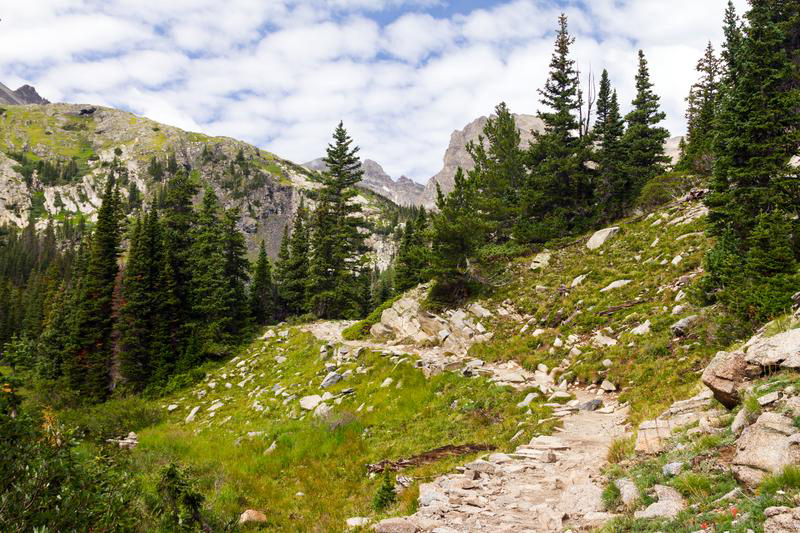
The Chaffee County Sheriff’s Office and the Chaffee County Coroner’s Office announced Tuesday, Nov. 3, 2026, that a fall on West Apostle Mountain killed Kaden Matsuda, 19, of Ridgway, Colo., and Jackson Donlon, 20, of Queensbury, N.Y., instantly, both of multiple blunt force injuries. The summit rises 13,597 feet (4,144 meters) about 100 miles (160 kilometers) southeast of Aspen.
Pathologists established the cause through autopsies performed Nov. 2 in El Paso County. An anchor failed as the two rappelled.
Chaffee County Sheriff Andy Rohrich said investigators can identify what went wrong in most fatal backcountry accidents. “That was not the case with Kaden and Jackson,” he said.
“There is also relief knowing neither of them suffered,” the sheriff said.
The Rock That Let Go
Donlon was beginning his rappel from a primary anchor point attached to rock, with a piton and a second anchor as backup. The rock likely gave way. Matsuda was clipped into the same anchor, and both men fell a long distance that investigators never determined.
A heavy snowstorm hit the area while the two were out. Investigators said the storm may have worked against them, but it was not a direct contributing factor in the deaths.
A Map Marked Ice Mountain
A weekend of hiking and climbing in the Collegiate Peaks drew the pair away from Colorado Mountain College’s Leadville campus on Friday, Oct. 23. They were aiming for Ice Mountain, a 13,958-foot peak that is a difficult technical climb even in good weather.
Friends received a map from the pair before the two entered the backcountry, with Ice Mountain, the trailhead and the area around Winfield all marked on it. The students also set out a rule for those friends: they would be back Saturday if conditions felt unsafe, and back Sunday if they pushed on to Ice Mountain.
It was raining when they started the hike. The storm arrived Saturday afternoon, dropping 1 to 2 feet of snow on Ice Mountain and deeper drifts in places. Sunday, Oct. 25, brought no sign of them, and college staff reported them missing Monday morning, Oct. 26.
A Tent Under the Snow
About 60 search and rescue volunteers joined the effort, bringing helicopters, drones and dogs. Matsuda’s vehicle turned up near the Mount Huron trailhead, found by deputies with snow piled around it — a second sign that the pair had gone into the wilderness ahead of the storm.
Neither man had used his phone for at least 48 hours. Reception in the area is extremely poor, and the devices may have been switched off to preserve batteries.
A helicopter crew spotted their tent Tuesday, Oct. 27, collapsed under snow near Lake Ann, northwest of Ice Mountain. Searchers found sleeping bags, a stove and clothing inside, along with trash showing the two had eaten before setting out. Bare ground under the tent suggested the students pitched it ahead of the storm, and the campsite showed no fresh footprints.
Their climbing equipment was not in the tent, their dorms or the vehicle, so they had left camp outfitted for a technical climb. Rohrich said the location of the tent indicated the pair appeared to have changed plans and aimed for West Apostle Mountain instead.
Searchers reached the bodies on Wednesday afternoon, Oct. 28, in a snow-filled basin about a mile from the tent. Rohrich said that distance was far enough to show the two were well into a hike when they died. Gusty winds delayed the recovery, and a helicopter and ground crews brought the men down Thursday, Oct. 29.
They Came for the Mountains
Colorado Mountain College operates campuses throughout the Colorado Rockies, and its reputation rests on programs tied to the state’s outdoor recreation economy, including mountaineering, ski patrol and guiding careers. The small Leadville campus is where Matsuda and Donlon became fast friends. The city bills itself as America’s highest at 10,119 feet above sea level, sits about 100 miles west of Denver and is home to about 2,600 people.
Matsuda was studying to become a wildland firefighter. Classmates and faculty members described him as kind, intelligent and welcoming, the college said.
An avid climber and skier, Donlon moved to Colorado out of love for the mountains and enrolled in outdoor recreation leadership, intending to become a mountain guide, authorities said. Ski or Die NY, a group of upstate New York skiers, ranked him among the most driven skiers on the East Coast and said he became the youngest person to complete a strenuous 28-mile (45-kilometer) ski tour in the state’s High Peaks in December 2025.
Weather in the state’s high mountains moves in quickly, and the steep terrain leaves little room for error, said Jason Marsteiner, founder of The Survival University, a Colorado company that teaches wilderness skills.
Ben Cairns, dean of the Leadville campus, said in a statement that the two had come to the college to learn, to explore and to build their futures, and that students, faculty and staff feel their loss deeply.
Both students drew praise from the sheriff’s office and the coroner’s office for their love of the outdoors and for the preparation they put into the climb. Rohrich, writing on social media during the search, credited the two with using nearly all the safety measures recommended to backcountry travelers.