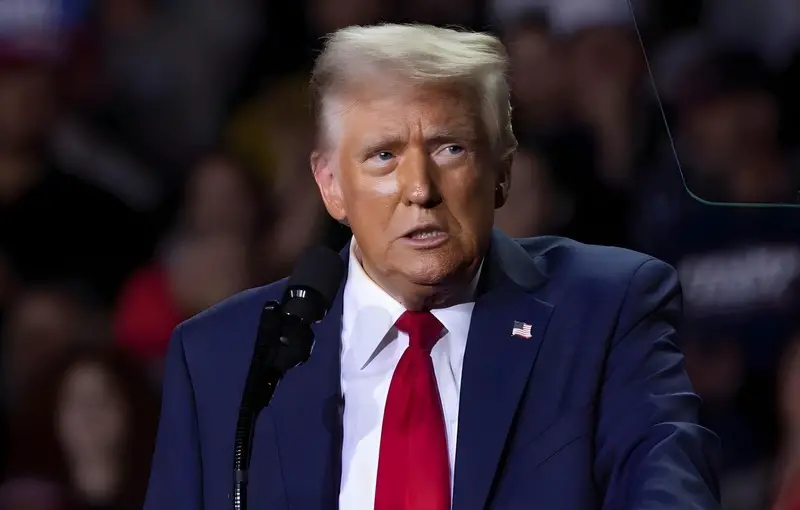
A sharp uptick in consumer prices combined with President Donald Trump’s startling declaration that he loves rising inflation has created a political storm just months ahead of crucial midterm elections. On June 10, 2026, the Bureau of Labor Statistics reported that consumer prices surged 4.2% in May — the highest annual rate since April 2023 and the first time inflation has exceeded 4% since 2023.
May’s inflation rate represented a jump from April’s 3.8% and marked the third consecutive month of accelerating price increases. When a reporter asked Trump whether the data concerned him, the president responded, “No, I love it. The numbers were great. You know what I really love? I love the inflation.”
The remarks triggered immediate backlash from Democrats and raised alarm among Republican lawmakers already nervous about defending their narrow congressional majorities in the November 2026 midterm elections. Senate Minority Leader Chuck Schumer, Illinois Gov. JB Pritzker, Sen. Andy Kim and party strategist Jon Cooper quickly seized on Trump’s comments. “People can’t afford to feed their families. Your struggle is a joke to him,” one Democratic statement read. Another quipped, “The ads write themselves.”
Energy Costs Fuel Inflation Spike
The inflation surge has been driven overwhelmingly by energy prices tied to the ongoing U.S.-Israel war in Iran, which began with U.S. strikes on February 28. Gas prices jumped 7% in May alone, following a 5.4% increase in April and a 21.2% spike in March. Over the past 12 months, gasoline has climbed 40.5%, with the average price of regular gas now at $4.15 per gallon according to motoring group AAA — up sharply from $2.98 on February 26, two days before the Iran strikes began.
The energy index rose 3.9% in May and accounted for more than 60% of the monthly all-items increase, according to the Bureau of Labor Statistics. Overall energy costs climbed 23.5% over the past 12 months, while electricity bills rose 5.9% year over year. Core inflation, which excludes volatile food and energy prices, registered 2.9% annually — matching economists’ forecasts but still above the Federal Reserve’s 2% long-term target.
Iran’s effective shuttering of the Strait of Hormuz, the narrow waterway through which roughly one-fifth of the world’s oil and gas typically flows, has driven much of the price pressure. Economists warn it could take until 2027 before normal shipping resumes through the strait.
Peace Deal May Bring Relief
On June 13, Trump announced on Truth Social that a peace deal was “scheduled to get signed tomorrow,” with the Strait of Hormuz set to reopen immediately upon signing. Pakistani Prime Minister Shehbaz Sharif said the same day that a deal could be reached within 24 hours, though Iranian officials expressed caution about the timeline. A ceasefire that briefly took hold in April collapsed, prompting further U.S. strikes and setting the stage for the current diplomatic push.
Brent crude fell more than 3% on June 12 alone on deal optimism. Trump insisted prices would “come down like a rock” once the war ends, predicting Americans would soon see gas as cheap as the $1.85 per gallon he claimed to have spotted during a trip to Iowa in early 2026.
Mysterious Claims About Iranian Oil
Speaking from the Oval Office on June 10 before signing a $70 billion reconciliation bill boosting border and immigration enforcement, Trump made a series of confusing claims about U.S. military operations against Iranian oil infrastructure. “We took out the other night, 22 ships, late at night, with no lights, because they don’t have any radar, because we blasted the crap out of it,” Trump said, adding that the U.S. has been “taking out millions of barrels every night.”
The remarks left observers — and apparently members of his own administration — scratching their heads. Energy Secretary Chris Wright, testifying before Congress the same day, said he was not aware of the U.S. taking millions of barrels out of Iran. Wright noted the military had helped some oil tankers transit the Strait of Hormuz and that traffic had risen “very meaningfully” in the past week.
Trump later told the New York Post his comments had been taken out of context, insisting he meant he loved that the inflation numbers were not higher given the wartime backdrop.
Polling shows Trump faces significant voter skepticism on economic management. An Economist/YouGov poll released that week showed 63% of Americans disapprove of Trump’s handling of the economy, while NBC News polling found just 32% approved of his handling of inflation specifically — with his approval rating hitting a second-term low.
The criticism echoed Trump’s own remarks from May, when he said he doesn’t think about Americans’ financial situation — a comment Democrats have already begun weaving into attack ads. Current inflation remains well below the 9.1% peak reached under former President Joe Biden in mid-2022, a comparison the White House has leaned on repeatedly. But rising prices increase pressure on the Federal Reserve to hike interest rates, which could further squeeze households and businesses heading into the fall campaign season.
American consumers — and nervous Republican incumbents — may not have to wait much longer. With a potentially imminent peace deal and the Strait of Hormuz poised to reopen, oil markets have already begun pricing in relief. Whether prices drop fast enough to ease the political pain before November remains the open question.