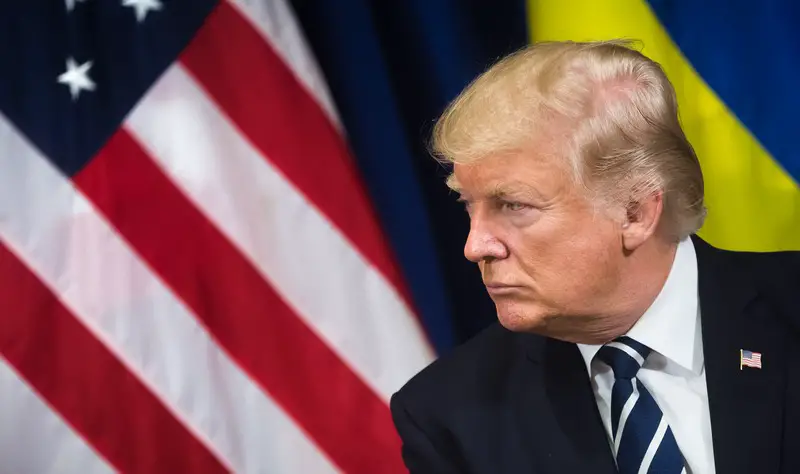
Juan Orlando Hernández, the former president of Honduras who was pardoned late last year by President Donald Trump, returned to his home country on July 26, 2026, landing at Palmerola International Airport eight months after Trump freed him from a 45-year U.S. prison sentence for drug and arms trafficking. The 57-year-old was met by his wife, Ana Garcia Carias, family and cheering supporters of his right-wing National Party — but his homecoming was anything but the end of his legal troubles.
Hernández, who led the Central American nation from 2014 to 2022, arrived on a private flight and traveled to a welcome rally in the town of Comayagua, where he addressed hundreds of supporters at a farm and thanked Trump for the clemency. Yet even as he touched Honduran soil, fraud and money laundering charges await him at home in the so-called Pandora II case.
He appeared in court on August 3, when a judge rejected prosecutors’ request to jail him while the case proceeds and instead granted him conditional release, barring him from leaving Honduras and requiring him to check in with the court weekly. The judge stressed the ruling was not an acquittal. The case is due back in court on August 12. In June, a judge temporarily suspended an outstanding arrest warrant after Hernández agreed to appear voluntarily, clearing the path for his return. Prosecutors claim he redirected $2 million in state money to pay for his initial run for the presidency — allegations he denies, casting himself as the target of ongoing political persecution.
A Pardon That Reversed a Landmark Conviction
Trump pardoned Hernández on December 1, 2025, roughly 19 months into the former leader’s sentence. The U.S. president had first signaled the move in November 2025, claiming without evidence that Hernández had been treated very harshly and unfairly and “set up” by the administration of former President Joe Biden. The pardon forgave his federal convictions and restored his civil liberties, but it applies only to the U.S. charges — it carries no weight in Honduran courts. The conviction it erased was substantial. A federal jury found Hernández guilty on March 8, 2024, of conspiring to import cocaine into the United States, and he was sentenced to 45 years in prison. Prosecutors alleged he accepted millions of dollars in bribes from trafficking organizations over 18 years to bankroll his political ascent. According to U.S. prosecutors, Hernández once boasted he would “shove the drugs right up the noses of the gringos,” a reference to Americans.
The U.S. Department of Justice said Hernández had abused his authority to enable the smuggling of more than 400 tons of cocaine into the country. During his trial, he denied taking bribes, insisting he had in fact cracked down on the narcotics trade and pointing to his administration’s cooperation with the U.S. military. A U.S. court concluded in 2024 that he had helped smuggle hundreds of tons of cocaine in alliance with cartel figures, including Mexico’s Joaquin “El Chapo” Guzman.
A Rise Dogged by Corruption Claims
Hernández built his career from Gracias, in the western department of Lempira, joining the National Party in the 1990s and winning a congressional seat in 1997. By 2010 he had been elected president of the National Congress, cementing his grip on the ruling party. Even then, allegations trailed him: a congressionally controlled development fund misappropriated an estimated $360 million during his tenure as head of Congress, and the fund was overseen by his sister, Hilda Hernández. His brother, Juan Antonio “Tony” Hernández, was convicted of drug trafficking in the United States in 2019 and remains imprisoned there. His 2017 reelection was mired in controversy after a Supreme Court decision voided single-term limits, paving the way for him to run again despite a constitutional ban.
Multiple U.S. administrations had regarded him as a staunch pro-U.S. ally while he was in power, funneling hundreds of millions of dollars in military aid to Honduras. After he left office, his left-leaning successor Xiomara Castro had him extradited to the United States.
Outrage Over Impunity and Election Interference
Trump’s pledge to pardon Hernández arrived on November 28, 2025, two days before Honduras’ presidential election, and was accompanied by a warning that the United States “will not be throwing good money after bad” unless Hernández’s conservative ally, Nasry “Tito” Asfura, prevailed. Asfura was declared the winner on December 24, 2025. Castro and her allies denounced the episode as foreign interference, and the pardon drew accusations of hypocrisy, given Trump’s own military campaign against alleged cartel-affiliated boats in Latin America and the January 3, 2026, capture of Venezuela’s Nicolás Maduro on drug and gun charges. At his rally, Hernández said he had returned “without any electoral ambitions,” though he left the door open to reentering politics if he perceived a return of radicalism.
Supporter Eva Amador, 56, held a banner thanking Trump and said the crowd was thrilled to welcome him back. Human rights activists and lawyers, however, fear a trial in a country where his party holds the presidency will amount to a sham. Human rights advocate Joaquin Mejia said Hernández’s return with complete impunity was a tremendous slap in the face to the victims of his crimes.