Authorities identified a woman’s remains recovered from an Arizona desert location on August 2, 2026, as Debra Esarey, concluding a search that began when a family member reported her missing on July 31, two days after she was last seen on July 29. Sheriff’s officials in Pima County made the identification public that same day, confirming the worst fears of those who had been looking for her.
Law enforcement had issued a missing person alert cautioning that Esarey might be suffering from a medical condition that impaired her cognitive function. The warning noted she had visited a convenience store before she disappeared, heightening concerns about her welfare in the midst of Arizona’s brutal summer temperatures.
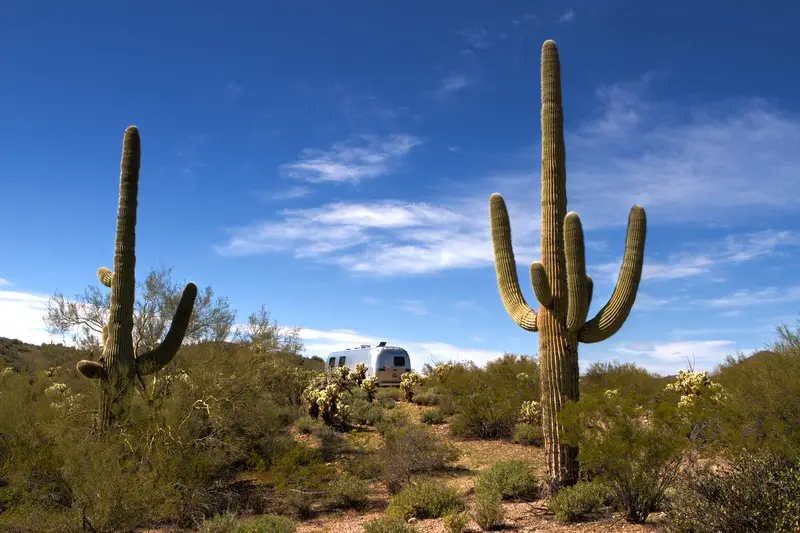
At about 11:45 a.m., a passerby contacted law enforcement about a body in a desert area in the 5700 block of West Ajo Way, near the Tucson Mountain Baptist Church.
Rising Toll on Emergency Services
The loss comes as extreme temperatures place mounting pressure on rescue teams across the state. Data from the Phoenix Fire Department shows that mountain rescue operations have surged nearly 20 percent compared to the previous year, with 129 calls logged by late July versus 108 during the same period in 2025 and 116 in 2024.
Phoenix Fire Captain Mike Johnson acknowledged that explaining the uptick remains challenging. “As far as the increase, that’s a hard thing to decipher,” Johnson said. He emphasized that deploying helicopters and other equipment for rescues drains resources and personnel that might be needed elsewhere, particularly when heat-related emergencies multiply.
Summer generally brings a predictable wave of heat-linked calls, Johnson noted, though rescue operations continue year-round. When the National Weather Service posts an Extreme Heat Warning, Phoenix closes some heavily-used trails during peak daylight hours, yet distress calls persist even with those restrictions active.
Among the 129 incidents this year was a Wednesday, July 29 rescue on Mummy Mountain involving Oscar-winning animator Glen Keane, who realized he and his family had pushed beyond safe limits. Keane spoke of recognizing the gravity of his situation and understanding he truly required assistance. Johnson encouraged anyone facing similar peril to call for help without delay, stressing that firefighters are prepared to mobilize whenever summoned.
Other Tragedies Across the State
Esarey’s death was far from the only distressing development in Arizona during the first week of August. A lifelong friend of Delaney Bristow, one of two people killed in a stabbing in Gilbert on Saturday, August 1, shared memories of her compassion and devotion. Detectives with the Maricopa County Sheriff’s Office (MCSO) uncovered 27 dead cats inside a trash-filled residence in Morristown, situated approximately 40 miles northwest of Phoenix, and rescued five more alive. Meanwhile, Avondale police reported three relatives missing from a Litchfield Park home under circumstances they characterized as suspicious. Investigators recovered two bodies buried in the backyard on Thursday, August 6, and launched an international search for the couple’s 27-year-old son, Matthew Flores.
Unanswered Questions Remain
Whether investigators suspect criminal involvement in Esarey’s death or believe it stemmed from the cognitive impairment referenced in the initial alert has not been disclosed. The sheriff’s department has offered no further comment on the circumstances surrounding her disappearance or the recovery of her body.
The medical warning attached to the missing person bulletin highlights the particular dangers faced by vulnerable individuals in an environment where temperature and terrain can prove fatal within hours. Esarey’s body was located and identified on August 2, bringing a swift and tragic end to a search that had only just begun.
With Arizona’s heat wave showing no signs of easing and emergency personnel preparing for continued strain, her case serves as a sobering illustration of how rapidly exposure and isolation can turn deadly — and how little time separates hope from heartbreak when someone goes missing in the desert.