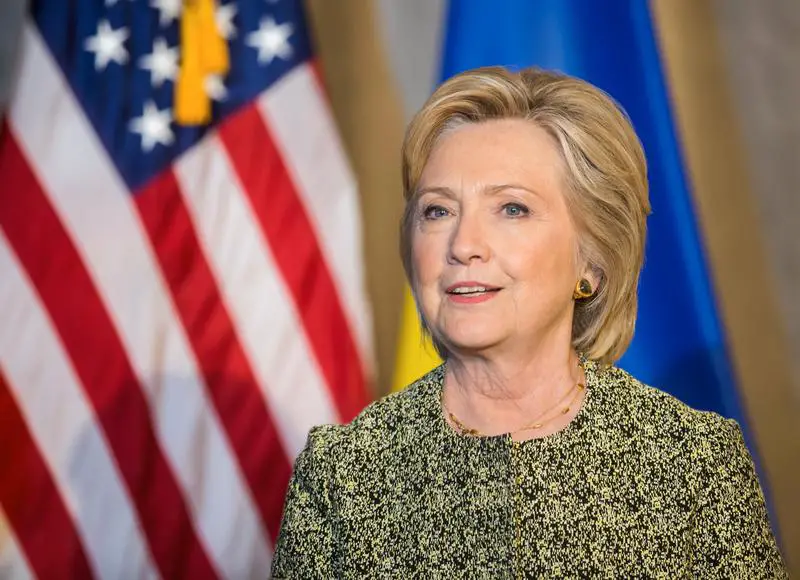
During a podcast appearance on Friday, August 7, 2026, former Secretary of State Hillary Clinton issued a sharp warning to progressives within the Democratic Party, arguing that their refusal to support establishment-backed candidates following primary defeats poses a serious threat to the party’s chances in general elections.
Clinton appeared on the “Pivot” podcast with tech journalist Kara Swisher, where she addressed mounting tensions between the party’s centrist and left-wing factions—a rift that Republicans are actively working to widen as the 2026 midterms approach.
Vulnerability to Republican Attacks
“The Republican messaging is communist, socialist,” Clinton warned. “It’s going to be a very effective attack.”. She pointed to the emergence of politicians such as New York City Mayor Zohran Mamdani as providing ammunition for such attacks, cautioning that Democratic nominees coming from the progressive wing must brace themselves for relentless messaging along these lines.
The repeated use of such labels by Republicans is no accident, Clinton argued, stressing that this strategy works. She distinguished between the dynamics of a Democratic primary, where Mamdani succeeded, and the very different landscape of a general election where moderate voters hold the balance of power. Mamdani went on to be elected mayor of New York City.
A Pattern of Conditional Support
Clinton described the Democratic coalition as a broader tent than the Republican Party, which she characterized as having become the Trump cult. That diversity of viewpoints could be an asset, she acknowledged, but only if translated into wins at the ballot box.
She identified what she called a recurring dynamic: progressive candidates who lose primaries often see their supporters decline to back the eventual Democratic nominee. Clinton cited her own 2016 campaign, noting significant reluctance among parts of the left to rally behind her after she won the nomination. She made the same observation regarding resistance that Kamala Harris encountered from some progressive quarters. “It can’t be a one-way street,” Clinton said.
In her discussion with Swisher, Clinton explained that candidates who narrowly win primaries and require support from those who backed their defeated opponents must make efforts to reach out and persuade those voters to join them.
Michigan Senate Contest as Litmus Test
The tensions Clinton outlined are playing out in real time in Michigan, where progressive Abdul El-Sayed defeated establishment favorite Rep. Haley Stevens in the Democratic primary for a U.S. Senate seat. El-Sayed now faces Republican Mike Rogers in November, and Clinton noted he will need to win over a substantial portion of Stevens’ backers—many of whom were publicly attacked by El-Sayed’s supporters during the primary fight. Progressive streamer Hasan Piker, a prominent El-Sayed surrogate, publicly rejected calls to mend fences with Stevens’ supporters after the primary — the kind of posture Clinton’s remarks appeared designed to counter.
The Michigan race has become a defining test of whether the Democratic coalition can unite when it matters most. El-Sayed must assemble a broad coalition including independents and Stevens supporters who may be skeptical of his more left-leaning platform, all while defending against Republican messaging from President Donald Trump’s party.
Ongoing Legal Battle
In a separate matter, Clinton remains involved in legal proceedings initiated by President Trump. Trump has indicated he plans to petition the Supreme Court to revive a lawsuit alleging that Clinton, the Democratic National Committee, and others conspired to harm his 2016 campaign through false Russian collusion allegations. The suit was previously rejected by the 11th U.S. Circuit Court of Appeals, which also levied financial penalties totaling nearly $1 million against Trump and his lawyer Alina Habba, characterizing the case as lacking merit. Trump requested an extension to file for Supreme Court review. Whether this legal matter influences Clinton’s decision to speak out publicly about Democratic strategy remains unclear, but her message on Friday was unambiguous.
Deepening Divisions Within the Party
Clinton’s blunt assessment during her Friday interview is unlikely to resolve the ideological rifts she described. Since 2016, the divide between centrist and progressive Democrats has widened, with escalating debate over whether figures like El-Sayed and Mamdani strengthen or weaken the party’s prospects. Progressive organizers maintain that left-wing energy drives turnout, while establishment voices counter that alienating centrist voters in swing states is a fatal miscalculation.
Clinton’s intervention signals mounting concern among the party’s center about the risks of ideological inflexibility heading into a potentially difficult midterm cycle.