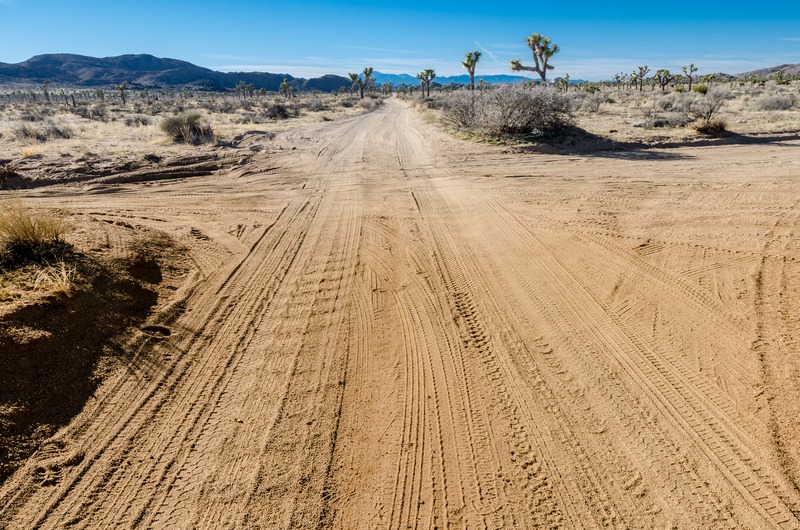
A truck carrying passengers home from a Muslim religious festival in Mali broke down in Niger’s Sahara Desert, leaving at least 49 people dead from thirst in the scorching sands, authorities announced late Thursday, June 4, 2026. The vehicle came to a halt roughly 80 kilometers (49 miles) west of the border town of Assamaka, stranding its occupants in one of Earth’s most unforgiving environments.
The victims, all Nigerien nationals, had been traveling from the Malian town of Talhandek, about 300 kilometers (187 miles) from the Nigerien border. Only two men survived the ordeal.
The survivors trekked more than 50 kilometers (31 miles) across the sand to reach a water source before pressing on to Assamaka, where they finally alerted authorities to the catastrophe, according to Niger’s Agadez region governorate.
Trapped in a Hostile Environment
What caused the breakdown remains unclear, as does the precise length of time the passengers waited under the desert sun before water ran out. Officials described frantic efforts to revive the vehicle that ultimately failed.
“Deprived of water and unable to repair the vehicle despite the efforts of the driver, his apprentice and passengers, travelers found themselves trapped in the heart of a hostile environment where extreme temperatures and lack of supply points make survival extremely difficult,” the governorate said.
A delegation dispatched by Agadez Region Governor Gen. Ibra Boulama Issa reached the scene and confirmed the scale of the disaster. Photos released by the governorate showed bodies strewn across the sand around the immobile truck, with clothing and personal belongings scattered nearby. The governorate said that “dozens of lifeless bodies were found under the immobile truck and in its surroundings.”
Mass Burials at the Scene
The 49 dead were buried in mass graves at the scene — what officials called a “particularly delicate and emotionally exhausting task” for the survivors and the recovery team. There was no realistic way to transport the bodies out of the remote zone, which sits far from paved roads and any meaningful infrastructure.
Authorities in Agadez have not said whether the driver was among the dead or the survivors, nor have they released a passenger manifest. Identifying the victims may prove difficult given the conditions and the speed with which the burials were carried out.
A Deadly Corridor for Migrants and Pilgrims
Assamaka, the nearest settlement of any size, serves as a main crossing point between Niger and Algeria and lies close to the Mali frontier as well. It is a way station in one of the world’s harshest transit corridors — a place where travelers, traders and migrants converge before vanishing into the dunes.
The stretch of desert where the truck broke down is notorious as a transit point for migrants from sub-Saharan African nations trying to reach Algeria, Libya and ultimately Europe. Many never make it. Bodies have repeatedly been discovered in the scorching sands, victims of thirst, starvation or vehicle failures identical to the one that killed the festival-goers this week.
While most of the international attention paid to deaths in this region has centered on migrants attempting to flee poverty and conflict, the latest tragedy involved Nigeriens making a relatively short regional journey for a religious observance.
Cross-border travel between Niger and Mali has grown more difficult and more dangerous since political upheavals swept the Sahel beginning in 2020. Formal transport options are scarce, and many travelers — whether laborers, traders or pilgrims — squeeze onto overloaded trucks that grind through hundreds of kilometers of trackless desert with little margin for mechanical failure.
Survivors Sound the Alarm
The two survivors’ decision to walk gave the dead their only path to being found. Their trek to water and then the further journey into Assamaka brought officials to a scene that might otherwise have remained anonymous for weeks or longer. Their accounts are expected to shape the investigation into what went wrong with the truck and why no help arrived sooner.
For now, the only confirmed numbers are stark and final: one broken-down truck, two men who walked out, 49 graves dug into the sand west of Assamaka. The governor’s office has not indicated whether any charges or further investigations will follow, though officials acknowledged that the toll of desert crossings in this part of Niger continues to mount with little intervention to stop it.