Rescue operations at a collapsed hydropower tunnel in the Indian Himalayan state of Sikkim ended Thursday, July 23, after authorities recovered the last of the bodies still trapped underground, bringing the total death toll from a methane gas explosion to 25. The four-day effort, involving multiple agencies, concluded with a formal inspection of the tunnel site and a grim confirmation from the Sikkim state government that none of the workers had survived.
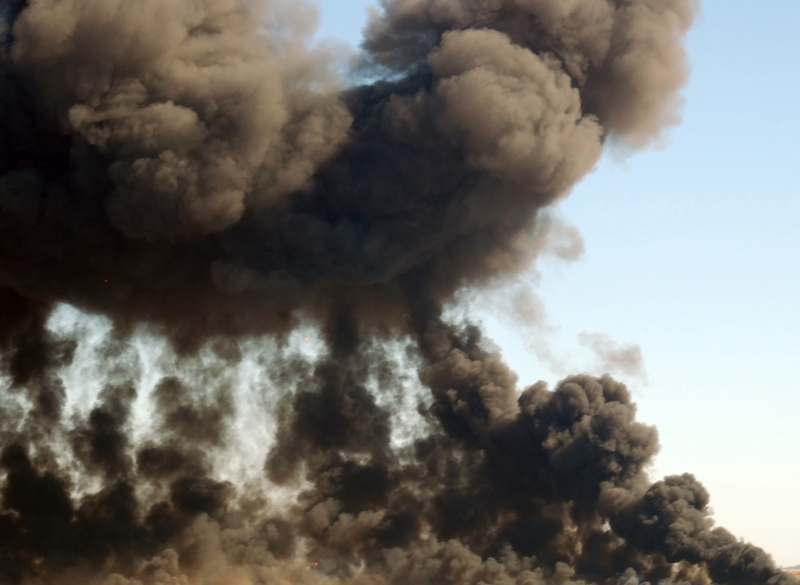
The blast ripped through the under-construction tunnel at the 500-megawatt Teesta Hydroelectric Project in Namchi district on Monday, July 20, 2026 — trapping the 25 workers beneath the earth roughly 40 kilometers (25 miles) south of the state capital Gangtok. The National Hydroelectric Power Corporation (NHPC), the state-owned utility overseeing the project, attributed the disaster to a “sudden burst of suspected methane gas trapped inside the rocks, which led to an explosion generating dense fumes and toxic gases,” NHPC said. Dense smoke flooded the passage, complicating rescue efforts in the hours immediately following the explosion.
Four Days of Desperate Searching
Rescue workers pressed into the tunnel carrying oxygen cylinders, fighting back against toxic fumes that hung in the passage. Of the 25 workers trapped, 19 were employed by Patel Engineering Limited, a contractor working on the hydroelectric project. Progress was slow and dangerous throughout the four-day operation, with toxic gases forcing repeated interruptions to the search.
An official in Namchi district confirmed Thursday that recovery teams extracted the final three victims during the afternoon hours, completing a 72-hour search-and-rescue mission. The state government of Sikkim said in a formal statement that following the recovery of all missing workers, teams conducted a final inspection of the tunnel. “Tragically, all 25 individuals lost their lives, and their bodies were recovered during the course of the operation,” authorities said.
Cause Under Investigation
Preliminary findings pointed to a combustible gas leak as the likely trigger for the explosion, though officials cautioned that the exact cause remains under review pending expert analysis. NHPC disputed media reports suggesting the tunnel had collapsed as the result of a landslide set off by the blast. The Sikkim state government announced it had formed a high-level committee to investigate the disaster and develop recommendations to prevent similar accidents in the future. By Friday, July 31, all 25 victims had been identified and their bodies returned to their families, and the four-member investigation panel appointed July 22 was given 15 days to submit its findings.
The geology of the region made an already dangerous situation considerably worse. The Teesta River basin, where the hydropower project is being built, sits atop a seismically active zone characterized by young, fractured rock formations that can harbor pockets of ancient trapped gases. According to experts, seismic instability and unpredictable underground conditions elevate the risk of tunnel construction across this stretch of the Himalayas. The project is located near Samardung village in Namchi district — terrain as geologically treacherous as it is remote.
A Pattern of Deadly Construction Accidents
The catastrophe in Sikkim is the latest in a string of deadly incidents tied to India’s aggressive push to expand its infrastructure, particularly in its mountainous northeastern and northern regions. Construction accidents are a recurring feature of this growth, where the pressure to build fast frequently collides with fragile geology, inconsistent safety standards, extreme weather, and the unforgiving physics of tunneling through ancient rock.
In February 2026, an explosion at a coal mine in the neighboring state of Meghalaya killed at least 18 workers. Before that, in 2023, a tunnel section gave way in northern Uttarakhand state, entombing 41 workers underground for 17 days before they were finally pulled out alive. That rescue became a prolonged national vigil; the Sikkim disaster, unfolding with even less time for hope, ended far more grimly.
The Teesta Hydroelectric Project was commissioned by NHPC as part of India’s broader effort to tap the hydropower potential of its Himalayan river systems. The Teesta River, which drains the high-altitude glaciers of Sikkim before threading through the plains of West Bengal, has long been eyed as a source of clean energy. But the same geological youth that makes the region hydrologically powerful — young rock, steep gradients, active fault lines — also makes it one of the more hazardous places on earth to dig a tunnel.
Families and a Nation in Mourning
With all 25 bodies now accounted for, attention will shift to the formal investigation, compensation for the victims’ families, and whether the safety protocols governing tunnel construction in seismically sensitive zones are adequate. The high-level committee formed by the Sikkim government is expected to examine not only what ignited the methane gas on that Monday morning but also what systemic failures, if any, allowed workers to be placed at such risk without sufficient safeguards.
For the families waiting at the tunnel entrance in Samardung village, the end of the rescue operation brought no relief — only confirmation of what many had feared from the first hours after the blast. Twenty-five workers went into that tunnel on a construction shift. None came out alive.