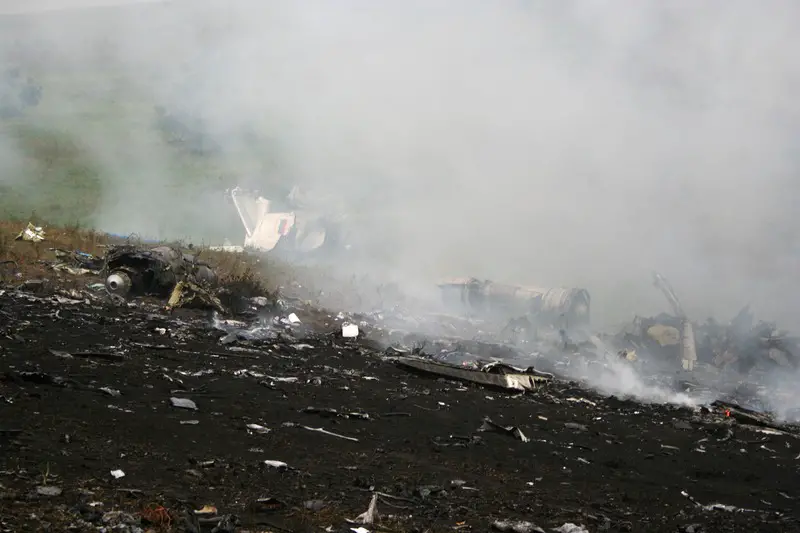
A Cessna 208B Grand Caravan carrying tourists over Peru’s famous desert geoglyphs went down on August 1, 2026, claiming all 13 lives on board and prompting authorities to ground the airline indefinitely.
The aircraft operated by Aerodiana took off from Pisco Airport around 1 p.m. local time for a scenic tour of the Nazca Lines, an ancient archaeological wonder in the Ica region. Contact with the control tower was lost at approximately 1:20 p.m., and the plane crashed near Pueblo Viejo, about four miles (6 km) from Nazca city and roughly 12 km from the actual geoglyph site.
Peru’s Ministry of Transportation and Communications suspended all Aerodiana operations pending investigation, declaring the company must stay grounded “until investigations are completed to verify the company’s compliance with the applicable aviation regulations, procedures and operating requirements.”
Pilots Sent Distress Signal Citing Equipment Problems
Peruvian Foreign Trade and Tourism Minister Rogers Valencia revealed that the flight crew transmitted an emergency message to the Nazca airfield control tower before disappearing from radar. Valencia said mechanical problems afflicted the plane, though investigators have yet to confirm whether that malfunction directly triggered the fatal crash.
Peru’s Aviation Accident Investigation Commission is analyzing the distress transmission, the aircraft’s trajectory and debris from the wreckage. Speaking from the crash scene, Valencia noted that examination of the debris would yield deeper insight into the cause, with results anticipated quickly.
Police Major Jorge Andrade confirmed all 13 aboard had perished and described the challenging environment confronting rescue personnel. Fire erupted swiftly across the crash zone in the desert, forcing firefighters and police to navigate smoldering debris. The rapid spread of flames made any rescue attempts impossible.
European Passengers and Peruvian Crew Perished
The dead included seven Italians ranging in age from 18 to 54 years old, two 52-year-old Spaniards, and two Germans who were 77 and 78. The two crew members killed were Peruvian nationals Americo Salazar Cuellar, who served as pilot, and copilot Irenka Guanilo del Carpio.
Italian Prime Minister Giorgia Meloni posted on social media her profound sorrow for her nation’s citizens, offering her deepest condolences to the families of the victims “at this time of immense grief.” Italy’s Foreign Ministry reported its Lima embassy had been working with Peruvian officials and that relatives of the Italian dead had received notification. Consular officials from both Italy and Germany traveled to the wreckage location, Minister Valencia reported.
Peruvian President Keiko Fujimori voiced regret about the tragedy and indicated authorities were evaluating a temporary suspension of the airport while relevant ministries conducted assessments.
Dangerous History Above Ancient Desert Artwork
Designated a UNESCO World Heritage Site, the Nazca Lines comprise vast ancient drawings carved into southern Peru’s desert surface, created between AD 200 and 700. The massive images — portraying animals such as monkeys, hummingbirds, cats and whales, along with geometric shapes stretching several kilometers — cannot be properly seen at ground level and require aerial viewing for full appreciation. UNESCO has called the location one of archaeology’s greatest enigmas due to the quantity, nature, size and continuity of the markings.
This necessity for overhead observation has fueled a thriving but hazardous small-aircraft tourism sector in the area. The accident marks the latest in a series of deadly crashes near the geoglyphs. Seven people died in a 2022 crash, including two Chilean and three Dutch nationals. An AirNasca flight carrying British vacationers and Peruvian flight crew crashed in October 2010 after touring the lines, with no survivors. Earlier that same year, three Chileans and four Peruvians were killed when a Cessna 206 went down in the region. In April 2008, five French tourists lost their lives in another overflight accident, though the pilot survived that crash.
Airline’s Operations Halted After 18 Years
Aerodiana, which has conducted sightseeing tours over the Nazca Lines for 18 years, released a statement acknowledging the crash had profoundly impacted the company and pledging complete cooperation with the investigation. The carrier emphasized its unwavering commitment to passenger and crew safety throughout its operational history.
Peru attracted more than 4.1 million international visitors in 2025 to destinations including Machu Picchu’s Incan ruins and the Nazca Lines. The nation’s population stands just under 35 million. The repeated tragedies near the Nazca Lines have prompted persistent questions about safety standards governing small operators serving the site, and the catastrophe will likely amplify demands for stricter regulation as investigators pursue a definitive cause.